
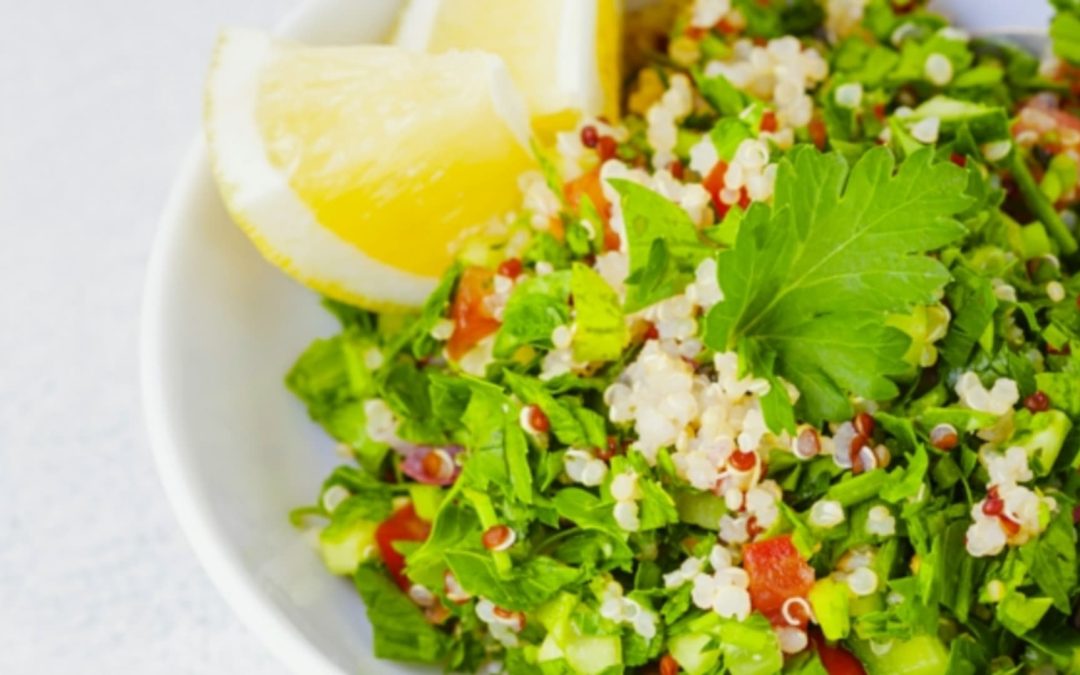
Oman today_ One cup of cooked quinoa contains nearly three times more carbohydrates than a cup of cooked white rice and provides roughly ten times more fiber. This flavorful and versatile South American grain is an excellent choice for those who are hungry yet mindful of their health.
In addition to supplying essential vitamins and minerals, quinoa helps increase feelings of fullness. According to the University of Rochester Medical Center, one cup of white rice contains only 1.42 grams of fiber, whereas the same amount of quinoa offers 10.03 grams—covering a significant portion of an adult’s recommended daily intake.
Beth Cherouny, a nutrition expert at the Cleveland Clinic, explains that adults should aim to consume 25 to 35 grams of fiber per day. She emphasizes that replacing low-fiber options like white rice or processed grains with quinoa can support a healthier digestive system.
Adequate fiber intake can also help lower cholesterol, a waxy, fatty substance that can block blood flow to the heart and increase the risk of heart attack or stroke. Eating quinoa may further reduce the risk of colorectal cancer, which is rising among young Americans.
Quinoa’s effect on satiety is not limited to its fiber content; its high protein level also plays a key role. Each cup of quinoa contains over 22 grams of protein, compared to just 4.6 grams in a cup of white rice.
Cherouny adds that quinoa is a “complete protein,” meaning it provides all nine essential amino acids the body needs to build proteins.