
Oman today_ The use of roses dates back thousands of years, originating in ancient Egypt, where they were primarily cultivated for their medicinal properties rather than their beauty. During the Middle Ages, roses were widely used in both medicine and cuisine. Today, people around the world—particularly in Asia, Italy, and France—enjoy incorporating roses into their cooking. Rose petals and hips are commonly used in kitchens and professional bakeries. Since rose petals are about 95% water, they are very low in calories and can add a fresh flavor and aroma to various dishes and desserts.
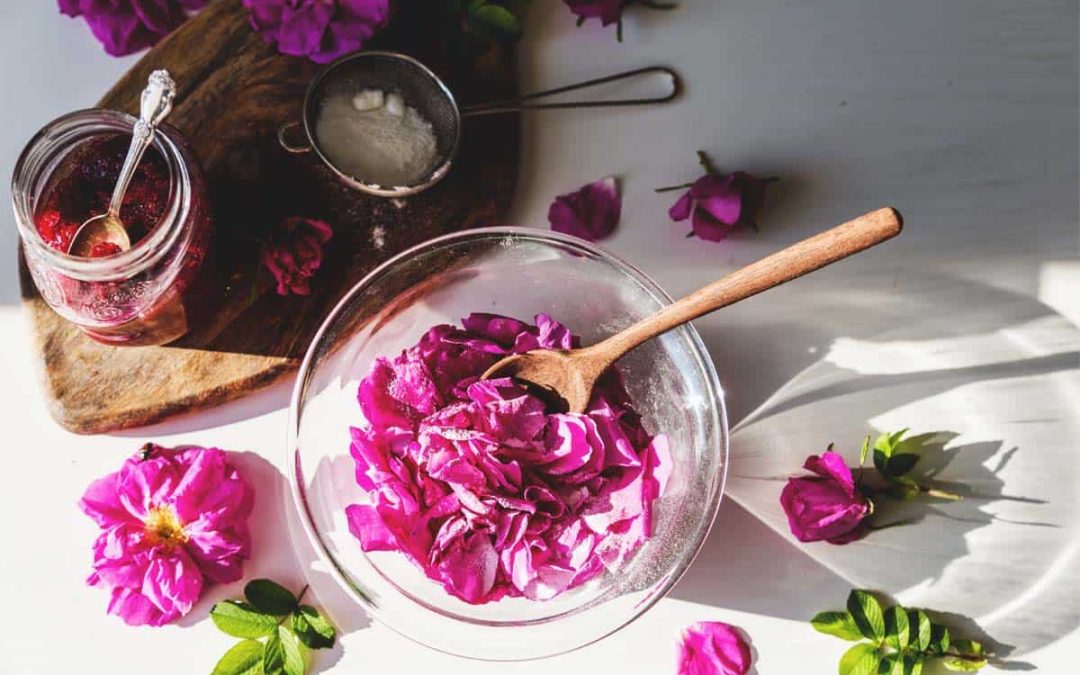
Not every rose is suitable for consumption. Edible roses should be grown in healthy soil, enriched with organic fertilizer, and kept away from pollution. Never use roses from roadsides or contaminated areas. Before consuming, rinse the petals with cold water and remove the white base of the petal, as it has a bitter taste. Older petals usually have a better flavor. Rose petals can be added to salads, jellies, pastries, and jams.
Roses and their fruits are also used to make herbal teas, offering a range of health benefits. These teas can help reduce stress, relieve stomach issues, aid digestion, soothe ulcers, support heart health, and improve circulation. However, people with specific health conditions should consult a physician before consuming them.
Certain varieties of roses, such as Damask rose, Rosa canina, Rosa arkansana, and French rose, are known for their medicinal properties. Rose petals and hips are rich in vitamins (C, A, D, B3, and E), citric acid, bioflavonoids, zinc, and tannins. The rose hip—the ovary of the flower—becomes especially rich in vitamin C after fertilization, containing up to 20 times more vitamin C than an orange. Rose hips can help treat colds, influenza, and digestive issues, strengthen the stomach, relieve spasms, and support conditions like constipation, diarrhea, gallstones, diabetes, high blood pressure, and high cholesterol.
However, consuming roses may cause side effects such as nausea, diarrhea, heartburn, stomach cramps, headaches, insomnia, or allergies to the pollen. Daily vitamin C intake should be tailored to individual needs: 75 mg for adult women, 90 mg for adult men, with lower amounts for teenagers. The upper daily limit for adults is 2000 mg. High consumption is not recommended during pregnancy or breastfeeding, and individuals with certain health conditions—such as diabetes, iron disorders, G6PD deficiency, or those undergoing chemotherapy—should exercise caution.
One of the most popular rose products is rose water, valued for its pleasant fragrance and soothing, health-promoting properties. Rose water is widely used in Middle Eastern cooking, baking, and cosmetics. It can help reduce wrinkles, hydrate and brighten the skin, and provide calming effects that reduce stress.
To prepare rose petal tea, mix 0.5 grams of dried petals with 150 ml of boiling water and steep for 30 minutes. For rose hip tea, chop the hips and boil them in water for 30 minutes, then strain and sweeten with honey. These beverages not only offer delightful flavor and aroma but also provide numerous health benefits, supporting immune function and overall well-being.