
Oman today_ Until the early 19th century, eating was primarily seen as a means to fill the stomach, and people ate only when hungry, without paying attention to the quality or quantity of their food. With the rise of urbanization and the formation of human communities, dietary habits underwent significant changes. The first cities emerged in Mesopotamia, Western Asia, Egypt, and Greece, where inhabitants were familiar with agriculture and animal husbandry and relied on a variety of products to meet their nutritional needs. Iran, as one of the world’s earliest centers of agriculture and livestock farming, has archaeological evidence from sites such as Shushtar, Damghan, Persepolis, and the Silk Hill of Kashan, showing that its agricultural history spans over 6,000 years.
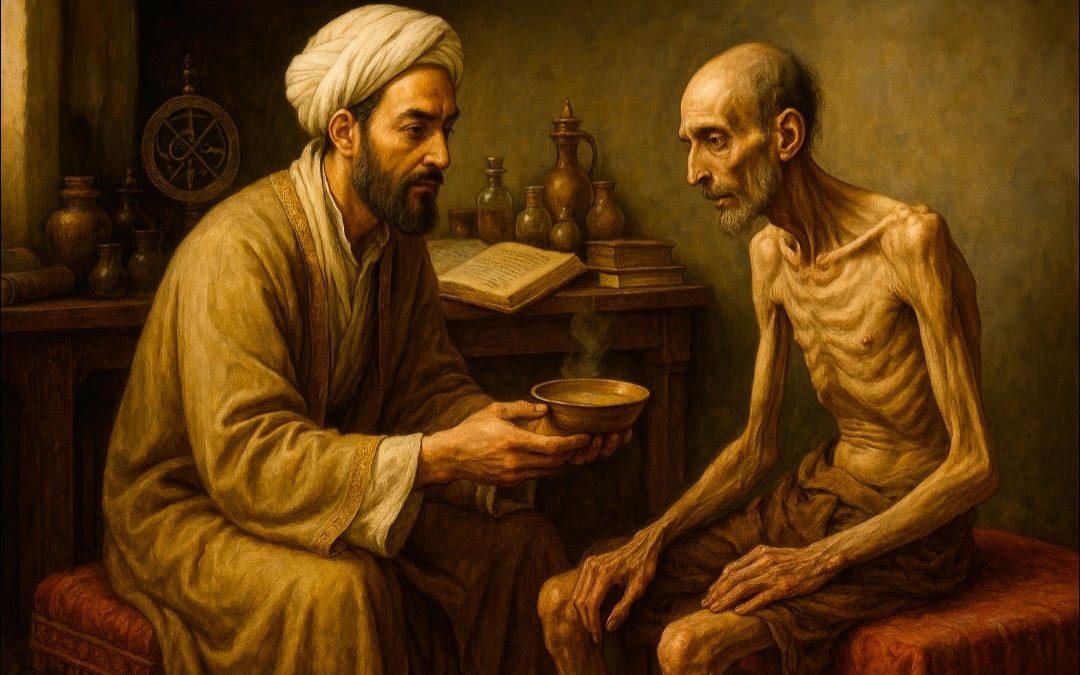
Zakariya al-Razi, a 3rd-century AH scholar, often regarded as the father of pediatric nutrition, advised that people should treat themselves through proper diet rather than relying solely on medicine. He authored a comprehensive work on dietary health called Manāfi‘ al-Aghziyah wa Maḍārihā, which details the benefits and harms of grains, beverages, various meats, fish, and other foods, while also addressing appetite, digestion, exercise, dietary restrictions, and food-related illnesses.
Avicenna, in his Canon of Medicine, devoted four chapters in the section on child upbringing to topics including infant care, breastfeeding, selecting a nurse, childhood illnesses, and the physical development of young children. He also provided guidance on the physical training of adolescents and young adults.
Some of Avicenna’s key principles of nutrition include: eating only when hungry; consuming warm and nourishing foods in winter and cooler foods in summer; avoiding overeating so as not to overburden the stomach; and stopping eating before reaching full satiety. Establishing a habitual and moderate amount of food is essential. Combining undigested food with new meals is harmful, and overconsumption—especially of unhealthy foods—can be damaging.
In winter, low-nutrition foods like legumes alone are insufficient, and more nutrient-rich foods should be preferred, whereas summer foods should be lighter and cooler. The quantity of food should align with an individual’s habits and strength, and a healthy person should eat enough to avoid feeling heavy. If the pulse becomes strong and breathing short after eating, it indicates overconsumption. Those unable to digest large meals should increase the frequency of eating while reducing the amount per meal.
Proper eating habits also consider the type of food, the individual’s temperament, and the region’s characteristics. Food that a person is accustomed to—even if slightly imperfect—is usually more beneficial than unfamiliar foods. Drinking water during or immediately after meals is harmful. Elderly individuals should recognize that their digestive capacity diminishes with age, and consuming the same quantity and type of food as in youth may result in waste accumulation; therefore, portion sizes should be reduced. Excessive fat intake can lead to lethargy and decreased appetite.
These guidelines demonstrate that proper nutrition is crucial not only for physical health but also for regulating energy and overall bodily function. Maintaining moderation and dietary balance, as emphasized by past scholars, remains both practical and effective today.