
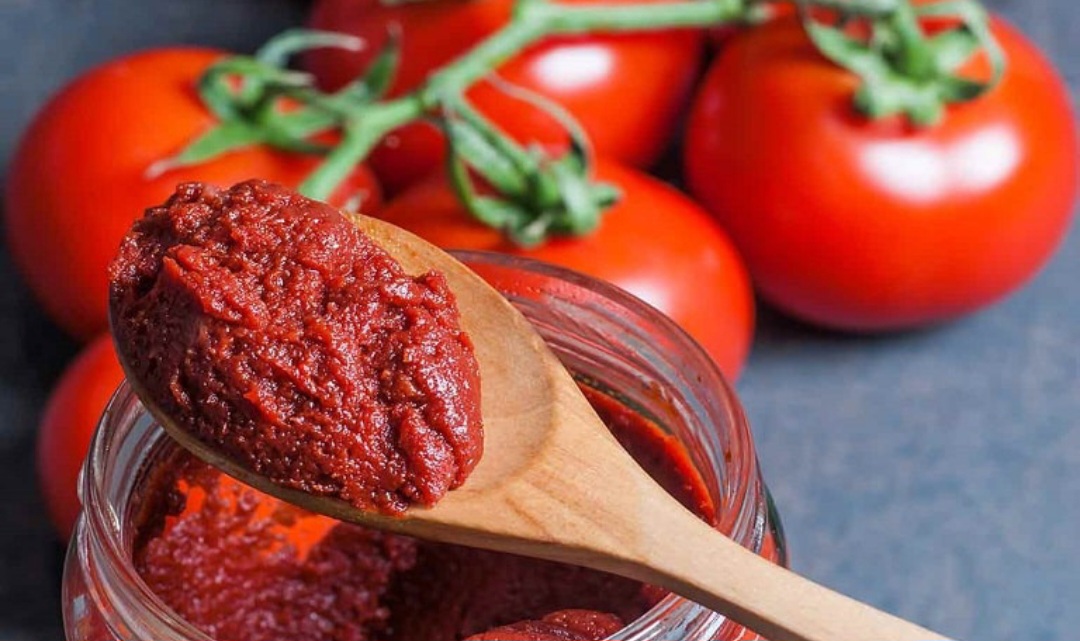
Oman today_ Tomatoes, originally native to South America, were cultivated in Peru as early as the 16th century and reached England and the Netherlands in the 17th century. Due to their high cost, only the wealthy could afford them. The consumption of tomatoes as fresh or cooked vegetables became common in the 19th century and gradually increased after World War I. Today, tomatoes are grown worldwide, available almost year-round, and are consumed raw, cooked, as sauces, or as tomato paste.
Tomatoes are rich in vitamins A, C, K, and the B complex, as well as minerals such as potassium, calcium, magnesium, phosphorus, and iron, contributing to energy supply and overall health. They contain natural sugars and nearly all amino acids except tryptophan. The red color of tomatoes comes from lycopene, while their skin is abundant in carotenoids, which are absorbed through the intestinal cells. For maximum benefit, it is recommended to consume tomatoes with their skin.
Tomato paste is a concentrated extract of tomatoes used as a seasoning and flavor enhancer in various dishes. Traditionally, it was prepared at home, but today it is produced industrially under hygienic conditions and with standardized packaging. After harvest, tomatoes are washed, and any defective or unhealthy ones are removed. The remaining tomatoes are chopped and partially cooked with steam. The juice is separated from seeds and skin using high-speed strainers and then cooked further to achieve the desired thickness. The prepared paste is transferred via pumps to balance tanks, filled into cans, pasteurized, and finally distributed to the market.
High-quality tomato paste should be uniform, free of impurities, without unpleasant tastes or odors, and have a proper consistency so that no water separates when poured onto a plate. Standardized packaging with labels indicating production and expiration dates, storage instructions, and registration numbers reflects the product’s quality. After opening, the paste should be transferred to a suitable container, stored in the refrigerator, and used with a clean spoon to prevent mold growth. One method to check the quality of tomato paste is to mix a small amount with water; it should resemble tomato juice in both color and taste. Paste without preservatives tends to mold quickly after opening, indicating its natural quality and authenticity.