
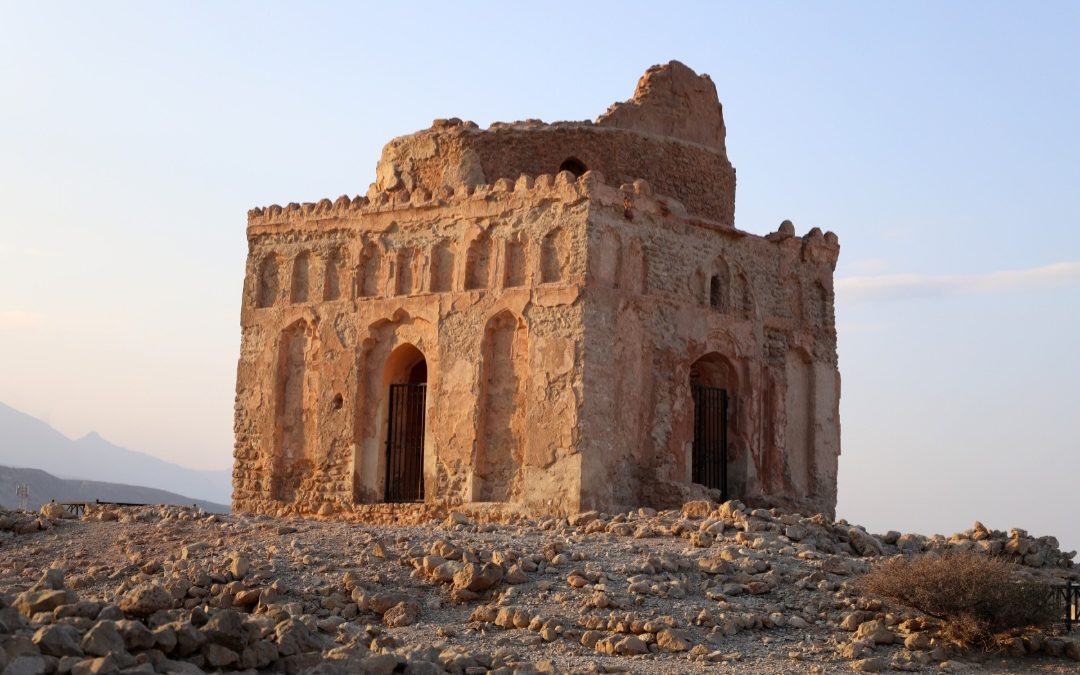
Oman today_ Qalhat is an ancient city located in the Ash Sharqiyah South Governorate of Oman, near the town of Sur. The ruins of the city lie approximately 20 kilometers northeast of Sur and cover an area of about 35 hectares. Between the 11th and 15th centuries, Qalhat was one of Oman’s most important ports, engaging in trade with regions such as India, China, the Persian Gulf, and East Africa.
The city thrived under the rule of the Hormuz princes, and among its surviving structures is the Bibi Maryam Mausoleum, an exquisite example of Islamic architecture. The city also had a Friday mosque, reportedly built around 1300 CE by Bibi Maryam, which was later destroyed by the Portuguese. Due to its historical and cultural significance, Qalhat was added to the UNESCO World Heritage List in 2018.
Archaeological studies indicate that earthquakes and Portuguese attacks contributed to the city’s decline and eventual abandonment, with no major reconstruction afterward. Today, Qalhat is recognized as a lesser-known historical and cultural site in Oman, offering visitors a fascinating experience of history, Islamic architecture, and archaeology.