
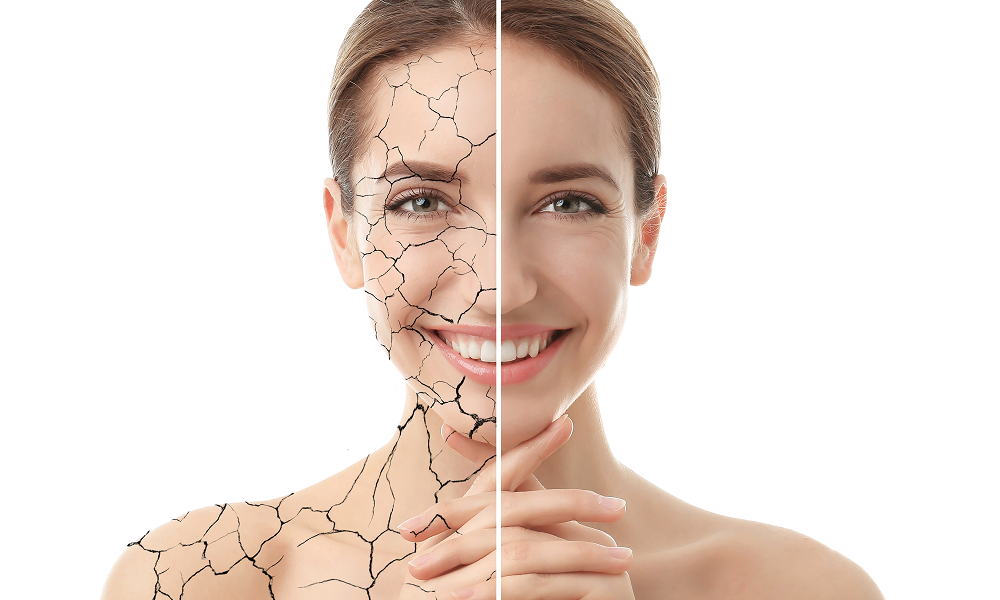
Oman today_ Many people assume their skin is dry when it feels rough, tight, or dull. However, this is not always the case—often, the real issue is dehydrated skin, not true dryness. The difference is important: dry skin is a skin type that is usually genetic or long-lasting, whereas dehydrated skin is a temporary condition caused by environmental factors, lifestyle, or improper use of skincare products. For example, someone with combination skin might suddenly feel tightness, fatigue, or excess oil on the forehead due to over-washing or seasonal changes. This paradox indicates that the skin is both thirsty for water and trying to compensate by producing more oil.
Dehydrated skin refers to a reduction of water in the stratum corneum, the outermost layer of the skin composed of keratinocytes and the skin barrier, responsible for retaining moisture and protecting the skin. When this balance is disrupted, the skin loses elasticity, appears dull, and fine lines develop faster. In contrast, dry skin lacks oil and is usually chronic or genetic, while dehydrated skin lacks water and is temporary and reversible. Even oily skin can become dehydrated; in this case, the body produces extra oil to compensate for the lack of water, resulting in skin that appears shiny and oily on the surface but is tight and water-deprived underneath.
Signs of dehydrated skin include a dull and lifeless appearance, prominent fine lines—especially around the eyes and cheeks—and sometimes tiny flaking. Pores remain visible, and some areas may appear oily. After cleansing, people often experience tightness, tingling, or stinging, even when using gentle cleansers. This can occur alongside shine in the T-zone, and the contrast between dry and oily areas is a clear indicator of dehydration.
Dehydrated skin also behaves differently toward skincare products. Serums and creams may absorb quickly without lasting effect or sit on the surface, creating a heavy sensation. Makeup can fade or flake faster because the skin lacks a sufficient surface to retain moisture and create a smooth texture.
There are some simple home tests to check for dehydration:
Pinch Test: Gently pinch your cheek or the back of your hand. Healthy skin springs back quickly, while dehydrated skin returns more slowly and retains lines from the pinch.
Observe Contradictions: If your skin is oily yet feels dry, tight, or itchy, dehydration is likely.
Reaction to Cleansing: After using a gentle cleanser, if your skin feels tight or sensitive without any strong cleanser involved, this is a sign of dehydration.
Main causes of dehydrated skin include:
1. Harsh and sulfate-containing cleansers: They strip natural oils and weaken the skin barrier, causing water to evaporate quickly.
2. Environmental conditions: Cold, heat, low humidity, and pollution can disrupt the skin’s water balance.
3. Lifestyle factors: Dehydration from low water intake, excessive caffeine or alcohol, insufficient sleep, and stress weakens the skin barrier.
4. Improper product use: Combining strong products such as retinoids, AHA, or BHA without adequate moisturizers can irritate the skin and trigger dehydration.
5. Skin barrier damage: Reduction of ceramides, cholesterol, and fatty acids in the skin barrier leads to rapid water loss and tightness; if not repaired, this can result in chronic dehydration.
By understanding the signs and causes, you can restore dehydrated skin effectively through proper product selection, maintaining moisture, and healthy lifestyle habits, bringing your skin back to balance and vitality.