
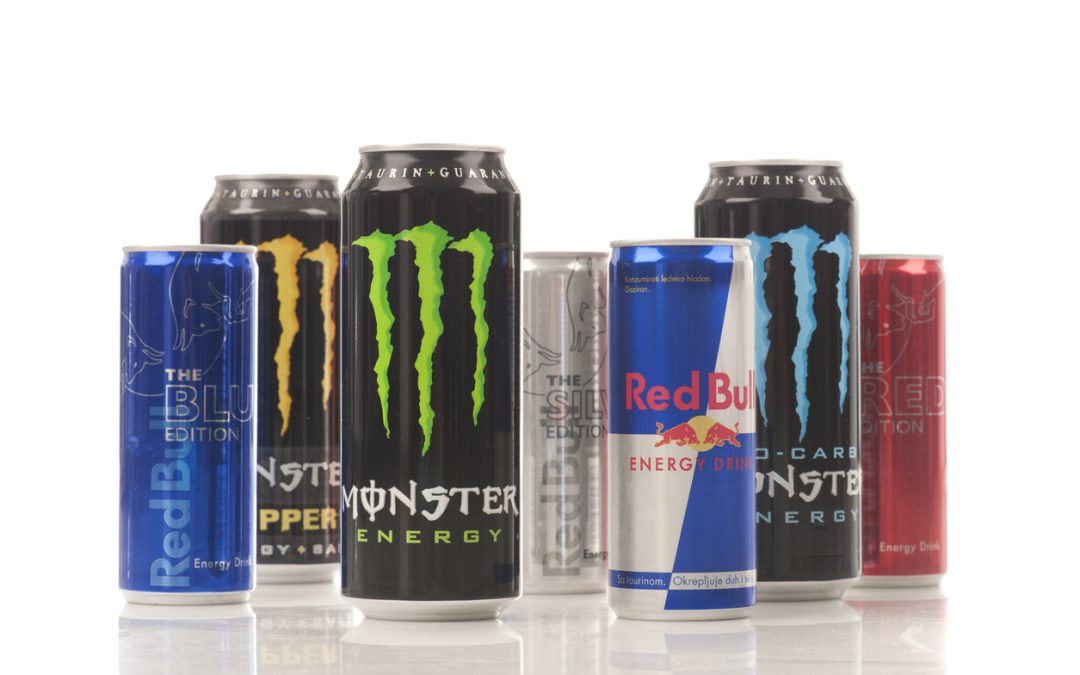
Oman today_ Energy drinks are beverages consumed to increase alertness and energy, and they are different from sports drinks. While sports drinks are designed to replenish lost water and electrolytes and provide essential nutrients, energy drinks are typically high in caffeine and sugar and are used to stimulate the nervous system and enhance focus.
Common ingredients in energy drinks include caffeine, B vitamins, and herbal extracts such as guarana, ginseng, taurine, ginkgo biloba, and glucuronolactone. Caffeine, which acts as a stimulant and fat burner, is present in about 80 mg per 237 ml of an energy drink, and larger cans may contain up to 360 mg. It helps improve concentration, reduce fatigue, enhance mental and physical performance, and increase endurance. Guarana provides energy, stimulates the nervous system, and aids fat metabolism. Ginseng helps the body resist stress, boosts memory and vitality, while ginkgo biloba improves memory, focus, and blood circulation. B vitamins also play an important role in energy metabolism and increasing overall energy levels.
Consumption of energy drinks can boost energy, alertness, focus, and reaction time, helping to reduce fatigue and enhance physical and mental performance. However, excessive intake can be dangerous, causing anxiety, insomnia, headaches, muscle cramps, respiratory problems, elevated blood pressure and heart rate, and digestive issues. Mixing energy drinks with alcohol is particularly risky, as both can dehydrate the blood and significantly increase the risk of stroke. Energy drinks also carry all the risks associated with regular carbonated sodas.
The primary addictive components in these drinks are caffeine and guarana, which can lead to physical dependence if consumed over a long period. However, withdrawal symptoms are usually mild, often limited to headaches or irritability, meaning that most of the addiction to energy drinks is psychological rather than physical.