
Oman today_ Calories in every gram of fat are more than twice those in a gram of protein or carbohydrate. For this reason, it’s important to pay attention to the fat content when choosing foods. When the body consumes more calories than it needs, the excess is stored as fat. Since high-fat foods are calorie-dense, eating them can contribute to weight gain. They also take up less space in the stomach, which can increase the tendency to overeat. In contrast, low-fat, high-fiber foods fill the stomach with fewer calories, promoting a feeling of fullness.
Not only the amount of fat matters, but also the type. Saturated fats can raise blood cholesterol levels and increase the risk of heart disease and stroke. Therefore, only about 10% of daily calories should come from saturated fats, which are found in foods such as butter, cream, and fatty meats.
On the other hand, healthy fats containing omega-3 fatty acids can help reduce the risk of heart attacks. Key sources of omega-3 include cold-water fish and various nuts. Oils such as olive oil and avocado oil are also beneficial for heart health and can be included in your daily diet in appropriate amounts.
Here are five high-fat foods that can actually support weight loss:
1. Organic Beef: Organic beef comes from cattle that are fed exclusively on grass. Although it’s more expensive, it contains more beneficial fats and is rich in omega-3 fatty acids, which are good for heart health. It also has fewer calories compared to regular beef; for example, 198 grams of lean regular beef contains 16 grams of fat and 386 calories, while the same amount of organic beef has only 5 grams of fat and 234 calories.
2. Olive Oil: Olive oil is rich in monounsaturated fats and cancer-fighting polyphenols. Diets high in olive oil can increase levels of adiponectin, a hormone that helps break down fat and is linked to a lower body mass index. For this reason, using olive oil in salads, dressings, and cooking is recommended.
3. Coconut: Coconut contains a high amount of saturated fat, more than half of which comes from lauric acid, a unique lipid that helps fight bacteria and improve cholesterol levels. Studies have shown that consuming two tablespoons of coconut oil daily can reduce waist size. Unsweetened coconut powder can be sprinkled on yogurt, or coconut milk can be used in cooking.
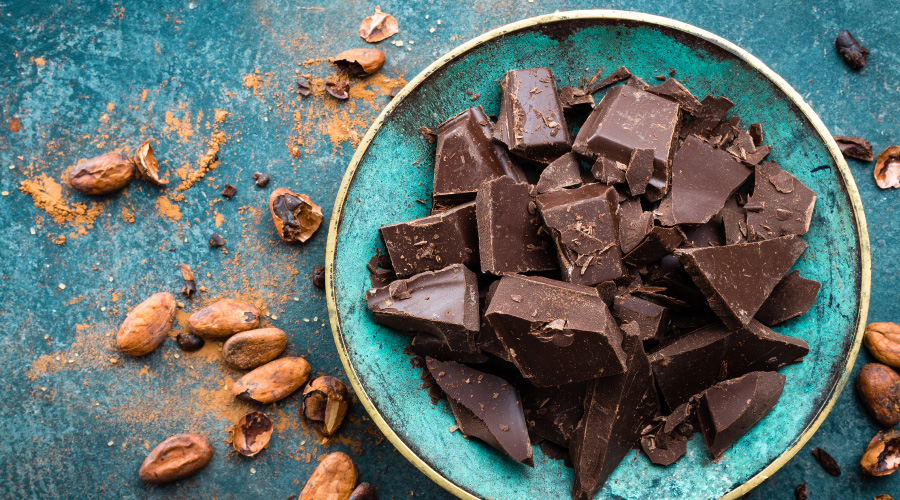
4. Dark Chocolate: Eating dark chocolate may help reduce appetite. A study found that men who consumed 99 grams of dark chocolate about two hours before a meal took in approximately 17% fewer calories compared to those who ate milk chocolate. Dark chocolate contains cocoa butter and stearic acid, which slow digestion and delay hunger, whereas milk chocolate’s fats are digested more quickly.
5. Almond Butter: Despite being high in fat, almonds can support weight loss. In a study comparing two diets over six months, participants following a moderate-fat diet that included almonds lost more weight and reduced waist circumference more than those on a low-fat diet. Almonds contain compounds that reduce fat absorption, meaning some fats pass through the digestive system unabsorbed. Almonds can be eaten alone, with oatmeal, or with fruit as a snack.