
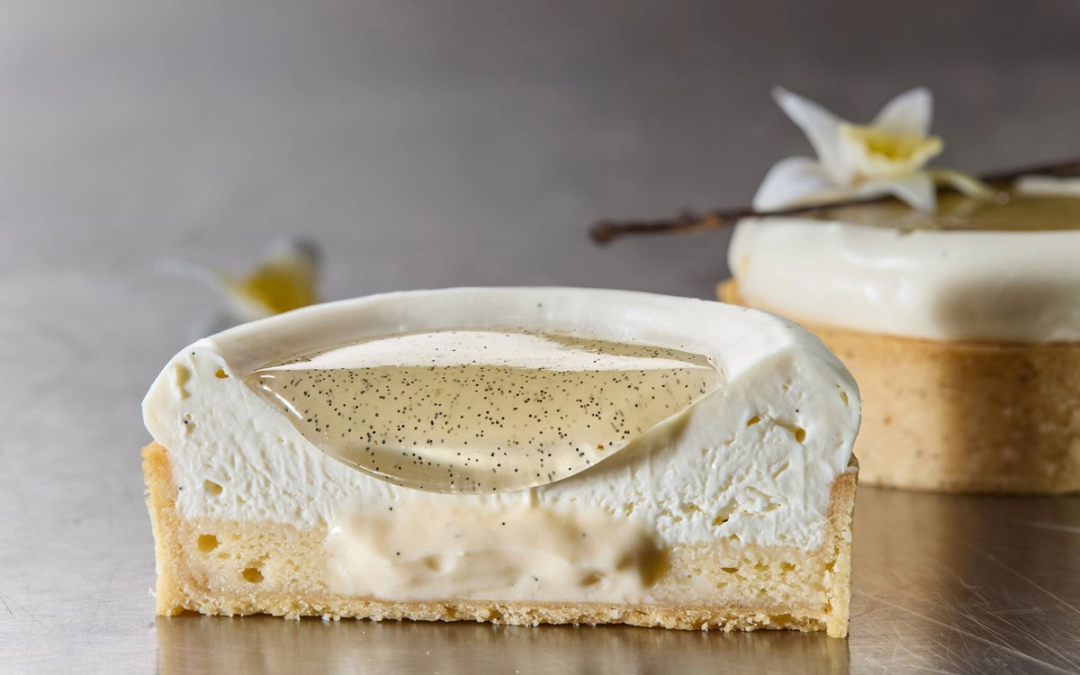
Oman today_ Vanilla is a climbing plant with twisted stems that can grow up to 100 meters in height. Its aromatic compound is derived from its fruit, which resembles a pod or bean. The pods are harvested before they fully ripen and develop their characteristic aroma through a process of drying and curing. Interestingly, fresh pods have almost no scent; the signature vanilla fragrance only emerges during the curing process.
Vanilla flowers grow in clusters and are usually pollinated by insects, though artificial pollination is often used to increase yield. The finest vanilla comes from pods measuring 15–25 cm in length and 10–12 mm in diameter. When harvested, the pods are green and gradually darken over time. After harvesting, the pods are briefly immersed in hot water (60–65°C) and then placed in a double-layered box for 24 hours to initiate fermentation.
After this step, the pods are sun-dried for about a week, during which their color changes from green to dark brown and black. Once wilted, the pods are further dried in a controlled drying chamber until their moisture content reaches 30–40%. Finally, vanilla extract is obtained from the seeds inside the pods, sometimes containing sugar or propylene glycol. By-products of this process include glycosylvanillin and vanilla sugar, which is produced by combining sugar with vanilla extract.
Cultivating vanilla is challenging, which is why natural vanilla is expensive. Fresh green pods have no flavor and require 3–6 months of processing to develop their aroma. In the 19th century, demand for natural vanilla exceeded supply, leading to the production of synthetic vanilla. Synthetic vanilla is typically made from compounds found in clove, cinnamon, and nutmeg.
Vanilla Compounds
Vanillin, the main aromatic compound in vanilla, forms colorless crystalline structures with a melting point of 82°C and a boiling point of 285°C, emitting a strong vanilla scent. Synthetic vanillin is cheaper than natural vanilla, which is nearly 20 times more expensive. In industry, vanillin is extracted from lignosulfonic acid—a by-product of wood pulp production—and is widely used in food, pharmaceutical, and cosmetic industries.
Industrial Uses of Vanilla
Vanilla was initially used as a flavoring for ice cream, cakes, and desserts. Today, it has gained worldwide popularity and is extensively used in cooking, baking, beverages, chocolate making, and perfumery.
Medicinal and Therapeutic Properties
Vanilla seeds are used as a flavoring in food and pharmaceuticals. The oil extracted from fermented vanilla seeds possesses antioxidant properties, helping protect the body from cancer and cellular damage while assisting tissue repair.
Other notable benefits of vanilla include:
Antidepressant effects: Vanillin hydroxybenzaldehyde in vanilla oil promotes mental relaxation and improves mood. Natural vanilla is more potent, but industrial vanilla or synthetic vanillin has similar effects.
Neuroprotection: Vanillin’s strong antioxidant properties protect brain cells from oxidative damage and may help prevent neurological disorders such as Alzheimer’s and Parkinson’s.
Anti-inflammatory effects: Vanilla can reduce inflammation in multiple body systems, including respiratory, circulatory, digestive, and nervous systems, and may alleviate fever, spasms, stress, and severe sensitivities.
Sleep improvement: Its calming effects can aid in treating insomnia.
Immune and overall health support: Vanilla may enhance memory, reduce blood pressure, and improve immune function.
Practical Uses of Vanilla
Vanilla extract: Studies indicate that vanilla extract can reduce stress, soothe stomach discomfort, and promote skin health.
Vanilla tea: Appreciated for its calming, anti-inflammatory, and digestive benefits, it also contains minerals such as calcium, magnesium, potassium, and zinc.
Vanilla ice cream: The most popular ice cream flavor worldwide, it can soothe the stomach and provide calcium and essential nutrients.
Vanilla essence: Low-calorie and a healthier alternative to sugar and other sweeteners, perfect for flavoring breakfast dishes and desserts.
Vanilla yogurt: Homemade yogurt with low-fat milk and natural vanilla extract is healthier than industrial options, providing benefits for skin, digestion, and overall health.
Besides its culinary uses, vanilla offers numerous therapeutic and wellness benefits. However, it is recommended to consult a physician before regular consumption to prevent potential side effects.