
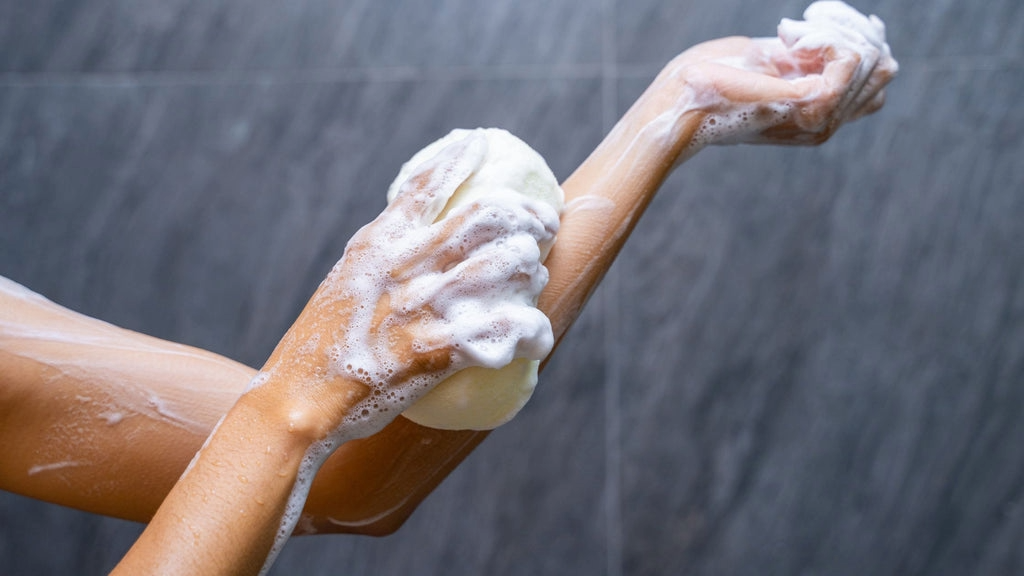
Oman today_ Shower gel is a liquid cleanser with a gel-like texture that, due to its skin-friendly pH, is considered a suitable alternative to soap. In addition to cleansing properties, it offers gentle exfoliation, helping to remove impurities and dead skin cells from the surface of the skin. Regular use of shower gel can contribute to skin hydration, reduction of dryness, regulation of excess oil, and even improvement of body acne.
Key Benefits of Using Shower Gel
1. pH Balance with the Skin: Shower gel is formulated to align with the skin’s natural pH balance. This feature prevents dryness, irritation, and redness—issues often caused by frequent use of alkaline soaps.
2. Variety of Long-Lasting Fragrances: The aromatic ingredients in shower gel leave a pleasant scent that lingers on the skin even after bathing. Fragrances such as mint, lavender, green tea, or sour apple not only refresh the senses but also promote a feeling of vitality and freshness.
3. Cleansing with Gentle Exfoliation: Along with cleansing the skin, shower gel provides mild exfoliation, which enhances skin clarity and softness. Depending on their skin type, individuals can select different formulations designed to meet specific needs.
4. Suitable Options for Different Skin Types: One of the key advantages of shower gel over soap is the ability to choose a product tailored to specific skin types. For example, shower gels designed for dry skin deliver hydration and prevent itching or tightness after bathing.
Difference Between Shower Gel, Soap, and Body Wash
Solid soaps, due to their alkaline nature and strong cleansing power, are often not compatible with the skin and may cause dryness and sensitivity. Additionally, sharing bar soaps can increase the risk of transferring dirt and bacteria. By contrast, shower gel is dispensed hygienically from a bottle in the required amount, reducing such risks.
Although shower gel and body wash share many similarities, they are not identical. Body wash generally contains more mineral oils and offers greater moisturization, making it a better choice for colder seasons when dryness becomes more intense. Shower gel, on the other hand, is often a more suitable option for oily or acne-prone skin.
How to Use Shower Gel
To use, pour a small amount of the product onto your hand or a bath sponge. Massage it onto the skin until a gentle lather forms, then rinse thoroughly with water. Using mesh bath sponges enhances foam production and makes the cleansing process smoother and more effective.