
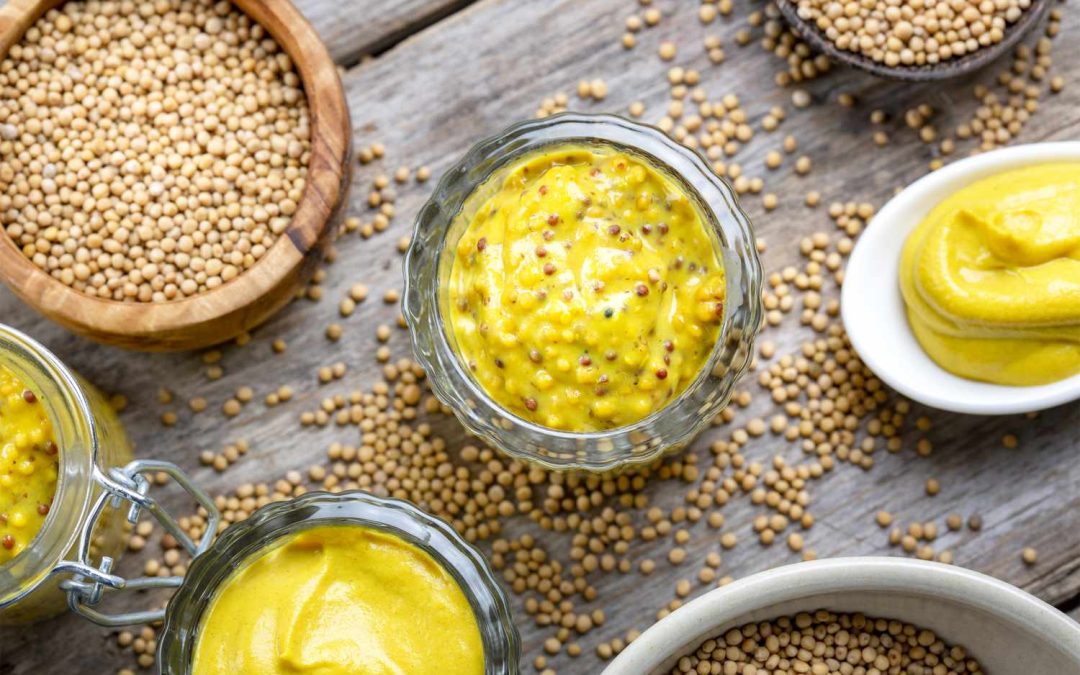
Oman today_ Mustard is a plant that has held a special place in both cuisine and traditional medicine from ancient times to the present day. When its seeds come into contact with moisture, they release volatile compounds that irritate the eyes and cause tearing. These same seeds are rich in substances that, once broken down, produce a pungent essential oil. In small amounts, this oil stimulates appetite and increases gastric juice secretion, but in excess it can burn the skin and cause blisters. In both traditional and modern medicine, mustard is used to help alleviate rheumatic pain, respiratory issues, and to improve blood circulation.
The history of mustard seed consumption goes back more than 5,000 years. The seeds come in black, white, and brown varieties and are consumed whole, ground, as oil, or in the form of mustard sauce. Mustard seeds are a rich source of selenium, which helps reduce inflammation and manage conditions such as asthma, rheumatoid arthritis, and even certain cancers. Mustard oil is also valued for its ability to lower blood pressure and prevent heart attacks and diabetes, making it one of the oils recommended by doctors and nutritionists.
Mustard sauce has its own unique appeal. Just one teaspoon contains only 3 calories, making it a popular choice in weight-loss diets. It enhances the flavor of foods such as burgers, kebabs, biryani chicken, and even French fries. Today, there are more than one hundred types of mustard sauce worldwide, each with its own distinct flavor and level of spiciness—from the renowned French Dijon mustard to spicier Chinese versions or the milder Jamaican varieties.
Mustard is more than just a seasoning; it is also considered a natural remedy. It has antiseptic properties, aids digestion, and stimulates the appetite. However, excessive consumption can irritate the digestive system.
Different varieties of mustard are cultivated globally. Indian mustard is known for its resistance to dry climates, white or yellow mustard is widely used in Europe and North America, and Ethiopian mustard produces large, dark-colored seeds.
A key concern is that the mustard market is not always free from adulteration. Some producers add starch and artificial colorings, such as turmeric, to imitate the genuine product. True mustard, however, carries a natural aroma and pungency that no additive can replicate.