
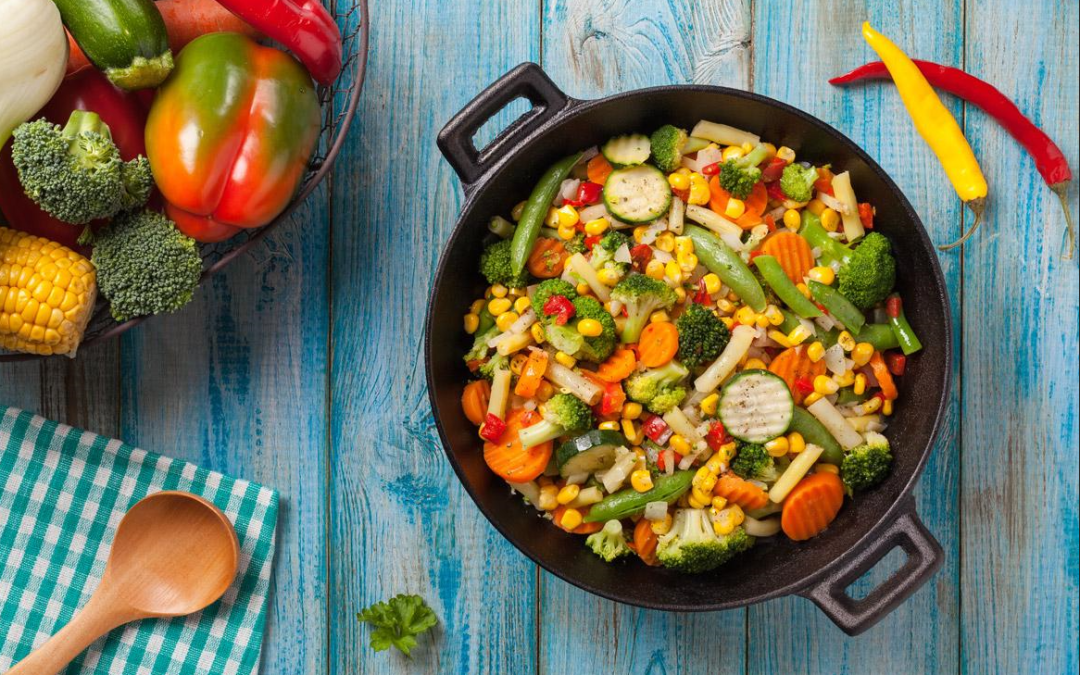
Oman today_ Many individuals seek a healthy eating style that preserves the nutritional value of foods while supporting overall health and energy. Two common approaches in this context include consuming raw foods and following a diet based on cooked foods. Each of these methods has its own benefits and limitations, which should be carefully considered when planning a diet.
Raw Food Diets and Their Principles
In raw food diets, the majority of daily meals consist of fruits, vegetables, nuts, seeds, sprouted grains and legumes, and unpasteurized dairy products. Advocates of this approach believe that temperatures above 40–46°C (104–115°F) destroy many nutrients and that cooked foods provide little benefit to the body.
Benefits of a Raw Food Diet
1. Preservation of Vitamins and Minerals: Raw and unprocessed foods generally contain higher levels of micronutrients compared to cooked foods.
2. Retention of Natural Enzymes: Many enzymes present in raw foods, which help facilitate digestion, remain intact in this diet.
3. High Antioxidant Content: Raw fruits and vegetables are rich in antioxidants, which may help prevent premature aging and reduce the risk of certain cancers.
Cooking Food and Its Role in Human Evolution
Research indicates that cooking played a significant role in human evolution. The controlled use of fire and cooking of foods such as meat gradually led to increased brain size and a reduced digestive tract in humans.
Benefits of a Cooked Food Diet
1. Reduced Risk of Foodborne Illnesses: Cooking destroys harmful bacteria and microorganisms, lowering the risk of food poisoning.
2. Improved Digestibility: Heating foods like grains, legumes, and meat makes them easier to digest.
3. Enhanced Absorption of Certain Nutrients: Cooking some foods, such as tomatoes and carrots, increases the body’s absorption of compounds like lycopene and carotene. These compounds act as antioxidants, and carotene can be converted into vitamin A in the body.
Disadvantages of a Cooked Food Diet
1. Formation of Harmful Compounds: High-heat methods such as frying and grilling can produce carcinogenic compounds, whereas boiling minimizes the formation of these substances.
2. Trans Fats Formation: Frying with liquid oils generates trans fats, which increase the risk of cardiovascular diseases.
3. Loss of Nutrients: Prolonged cooking can destroy significant amounts of vitamins and antioxidants, especially vitamin C.
Challenges and Safety Considerations
1. Consuming raw foods, particularly nuts, seeds, and unpasteurized dairy products, can increase the risk of foodborne illnesses.
2. Limitations of raw diets may result in the exclusion of essential foods such as grains, red meat, poultry, and fish, leading to nutrient deficiencies. Research indicates that long-term adherence to vegetarian or raw food diets may cause reduced bone density, dental problems, and hormonal imbalances in women.
3. Some raw foods contain harmful compounds that are neutralized only through cooking. For instance, raw red beans contain phytohemagglutinin, which causes red blood cells to clump, and raw soybeans contain trypsin inhibitors that interfere with protein digestion. Prolonged consumption of these foods in raw form may increase the risk of pancreatic cancer.
Practical Recommendations
1. Pasteurized or sterilized dairy products are preferable, as raw dairy offers no clear advantages and increases the risk of foodborne illness.
2. Consume fruits and vegetables raw whenever possible. In cases of digestive issues such as stomach or duodenal ulcers, cooked versions in limited amounts are recommended.
3. Cooking grains improves digestibility, but excessive heat, such as for toasting bread, can produce carcinogenic compounds.
4. Proteins, including meat, poultry, fish, and eggs, are best consumed boiled to prevent the formation of harmful substances.
5. Following healthy cooking practices reduces the need for oil and prevents the formation of trans fats, lowering the risk of cardiovascular disease.