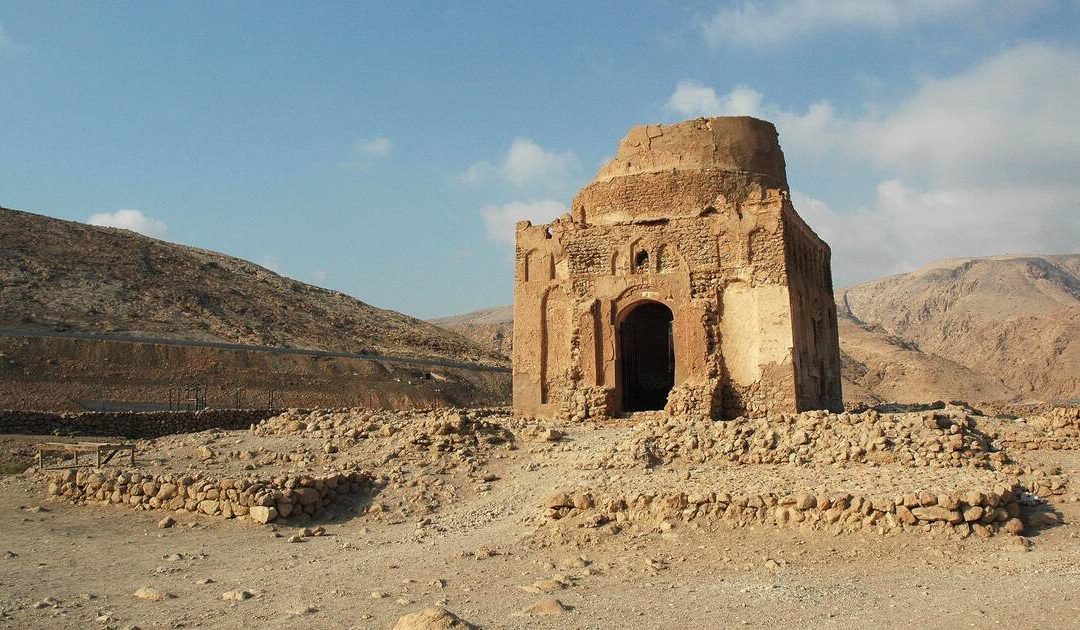
Oman today_ The ancient city of Qalhat is one of Oman’s notable tourist attractions and is recognized as a UNESCO World Heritage Site. Located on the eastern coast of Oman, Qalhat is considered one of the country’s most important archaeological sites. It was inscribed on the UNESCO World Heritage List in 2018. Qalhat was a developed city in Oman between the 11th and 15th centuries and was also regarded as the second most important city in the Kingdom of Hormuz.
Qalhat played a significant role in trade between the eastern coasts of Arabia, East Africa, India, China, and Southeast Asia. Before the rise of Muscat, it was one of the major trading ports in the Indian Ocean. Covering an area of over 24 hectares, the city was conquered by Afonso de Albuquerque of the Portuguese Empire in 1507.
Famous travelers have documented Qalhat throughout history. In the 13th century, Marco Polo visited the city, referring to it as “Calatu.” In the 14th century, Ibn Battuta also traveled to Qalhat, describing it as a city with “excellent markets and one of the most beautiful mosques.” He further noted that the mosque was built by Bibi Maryam and featured Persian tile decorations. Zhang He is another historical figure who mentioned Qalhat in his records.
Among the most important sights in Qalhat is the Tomb of Bibi Maryam, which showcases Islamic architecture from the medieval period. The Grand Mosque, which Ibn Battuta described, is another key landmark that attracts visitors to this historic city.
The Ancient City of Qalhat