
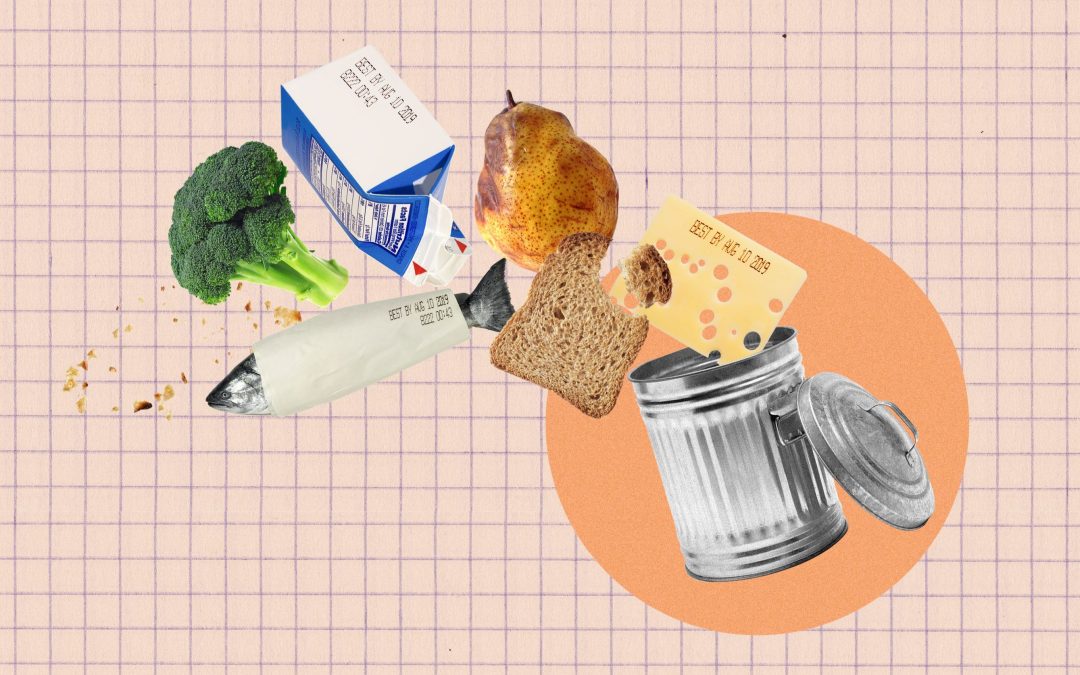
Oman today_ The dates on food packaging mostly indicate the period when the product is at its best in terms of taste and quality, and they do not necessarily mean that the food becomes unsafe after that date. Many foods remain safe to eat even after the printed date, but some sensitive items—such as meat, poultry, fish, unpasteurized cheese, and ready-to-eat foods—require extra care and attention.
Different date labels have different meanings. Labels like Use by or Expires on relate to food safety, while Best if used by indicates the product’s quality. Sell by is primarily for inventory management in stores and shows the last date the product should be sold, not consumed.
Refrigerated foods can usually be consumed for several days to a few weeks after opening, provided they have been stored properly. For example, refrigerated eggs remain good for three to five weeks, poultry for one to two days, red meat for four to five days, and dairy products for one to three weeks after opening. Frozen foods, canned goods, oils, and condiments can often last much longer, even if they have been thawed and refrozen.
The safety and quality of food also depend on how it is stored at home. Refrigerators should always be kept at the proper temperature, and perishable foods should be consumed promptly. Checking the appearance, smell, and texture of food can be very helpful in determining whether it is still safe to eat.
Overall, consumers can safely eat many foods even after the printed date if they use common sense and proper storage practices, without significant risk to their health. However, paying attention to expiration dates on sensitive products remains important to avoid consuming potentially unsafe food.