
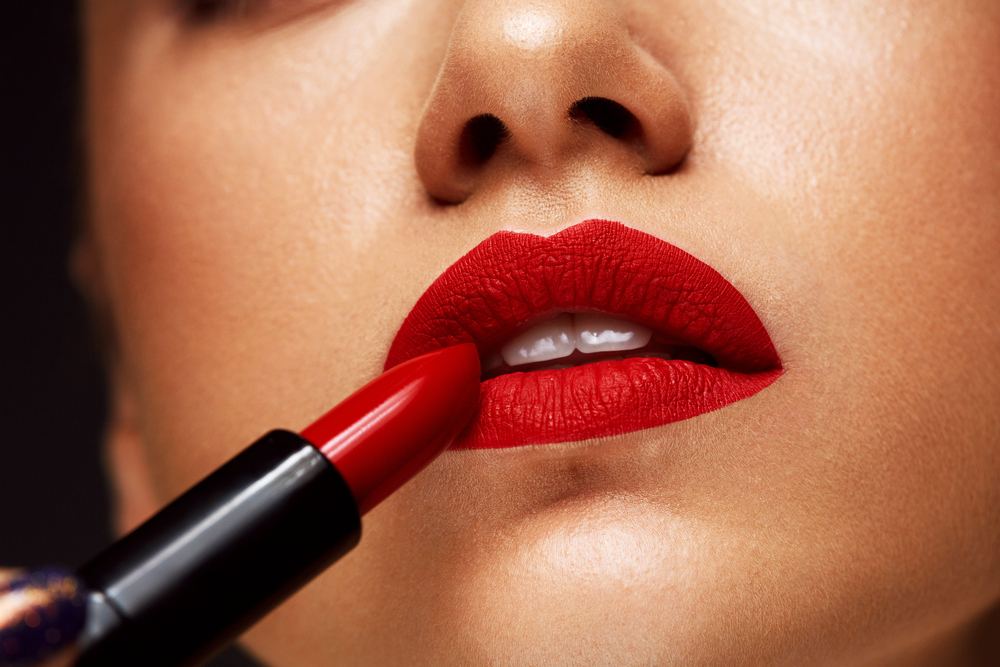
Oman today_ Throughout history, lipstick has shown that it can maintain strong sales even during economic hardships or social crises. For instance, during World War II, despite resource shortages and reduced incomes, lipstick sales surged. Similarly, after the September 11 attacks in New York, reports indicated that sales nearly doubled. Even during the COVID-19 pandemic, when mask-wearing covered the mouth, lipstick sales in the U.S. increased by about 80% in 2021.
This phenomenon is known as the “lipstick effect.” According to this theory, during economic or social crises, people turn to small luxury items like lipstick to boost their mood and self-confidence.
Some Interesting Facts About Lipstick:
The first commercially available lipstick was produced in 1870, though coloring the lips dates back thousands of years, with both men and women using it.
In ancient Egypt, lipstick was a symbol of social status, and both men and women applied it.
In ancient Greece, lipstick was rejected by the upper classes and was associated with prostitutes, who were required to wear it so men could identify them.
In ancient Rome, lipstick was popular among both men and women, but it often contained toxic substances such as lead, iron ore, and fucus (a type of algae), which could harm health.
Some of the earliest ingredients used to make lipstick included animal fat, tallow, beeswax, and crushed gemstones.
The first long-wear lipstick was invented by female chemist Hazel Bishop after World War II. The first twist-up (retractable) lipstick appeared in 1923.
It is estimated that an average woman spends about $1,780 on lipstick over her lifetime.
Red is considered the most popular lipstick color, as it complements a wide range of skin tones.