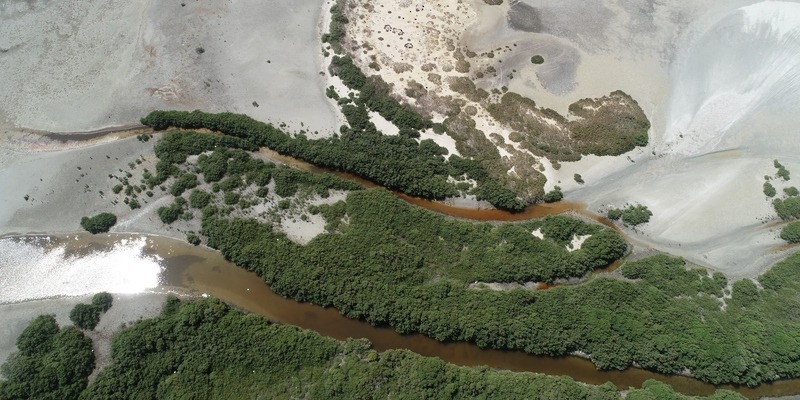
Oman today_ The Sultanate of Oman has successfully achieved the official registration of the Al Wusta Wetland Reserve on the List of Wetlands of International Importance under the Ramsar Convention. This marks the third successful inscription for Oman, following the Al Qurm Nature Reserve in 2013 and the Al Ansab Wetlands in 2020.
This achievement was announced during the 15th Meeting of the Contracting Parties to the Ramsar Convention (COP15), held in Zimbabwe under the theme “Wetlands for a Sustainable Future.” The official listing of this site reflects Oman’s commitment to fulfilling international environmental obligations and conserving biodiversity.
With an area exceeding 714,213 hectares, Al Wusta Wetland Reserve is considered one of the largest and most important natural ecosystems in the region and globally. The reserve encompasses a rich mix of sensitive habitats, including mangrove forests (home to the largest pristine mangrove area in Oman, covering 162 hectares), salt flats, coral reefs, and seagrass beds.
This wetland serves as a vital sanctuary for rare and endangered species such as the olive ridley turtle, green turtle, Arabian humpback whale, and several dolphin species. It also provides habitat for more than 80 globally significant species. Each year, the reserve hosts over 500,000 migratory waterbirds, including 23 species that represent more than 1% of the global population of birds migrating between Asia and East Africa.
Al Wusta Wetland Reserve meets all 9 core criteria set by the Ramsar Convention, including the presence of rare ecosystems, essential roles in the breeding and feeding of aquatic species, and support for globally threatened wildlife.
In addition to its environmental significance, the reserve is recognized as one of Oman’s leading ecotourism destinations, attracting birdwatchers, nature enthusiasts, and researchers annually. Moreover, sustainable investment projects designed in line with international environmental standards are being implemented in the area, contributing to the national economy while ensuring the long-term preservation of natural resources.
Since the 1980s, Al Wusta has served as a key center for the study of waterbirds and was officially proposed as a Ramsar site by Oman’s Environment Authority in November 2023.
The international recognition of this reserve further strengthens Oman’s global standing in environmental management and natural resource conservation.
Official Registration of Al Wusta Wetland Reserve on the Global Ramsar List