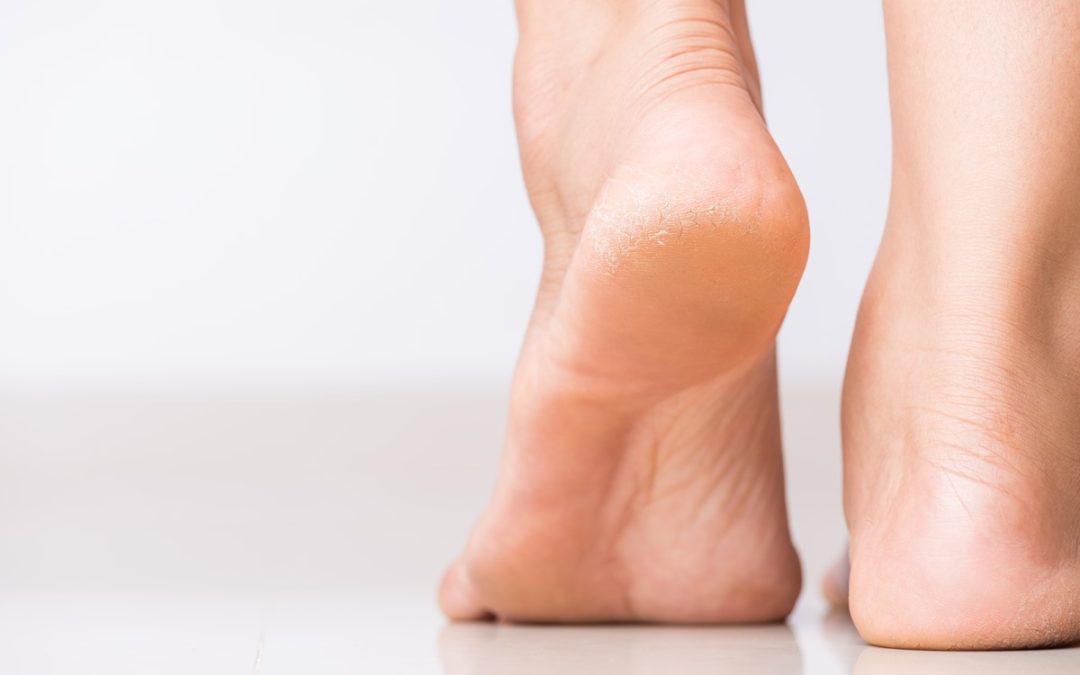
Oman today_ Dry skin on the feet is a common concern that many people experience, especially in cold or dry climates. Due to their unique structure, the feet are more susceptible to dryness and cracking than other areas of the body. One of the main reasons is that the skin on the feet has fewer oil glands, which means it lacks the natural moisture barrier found elsewhere. In addition, feet endure constant pressure from carrying body weight, which further contributes to skin wear and dehydration.
Unlike other parts of the body, the skin on the feet has a limited ability to retain moisture, making it more vulnerable to becoming dry and rough. Everyday activities like standing, walking, and exercising can increase friction and pressure, creating conditions where dryness and cracks are more likely to develop.
One common contributing factor is frequent and prolonged exposure to hot water during bathing or showering. Hot water strips the skin of its natural oils, leading to dryness and rough texture. Similarly, exposure to direct sunlight—especially during summer months—can dehydrate the skin. Neglecting to apply sunscreen to your feet under such conditions may worsen the dryness.
In winter, cold air and indoor heating systems reduce humidity in the environment, leading to drier skin overall, including on the feet. On the other hand, hot and humid weather can also affect foot health. In these conditions, feet tend to sweat more inside shoes and socks, which may trigger irritation, sensitivity, and eventually dryness. While feet have very few oil glands, they do contain numerous sweat glands, making them particularly prone to these issues.
Certain skin conditions can also lead to dry feet. Eczema, for instance, can cause itchiness, inflammation, and flaking. Another condition known as “athlete’s foot” is a common fungal infection that thrives in moist, enclosed environments like sweaty socks and shoes, often leading to itching, scaling, and dry patches.
In summary, dry feet can be caused by a variety of environmental, behavioral, and medical factors. This is not an issue limited to a specific group of people. Understanding the underlying causes and taking appropriate skincare measures can play a crucial role in preventing and managing dry or cracked skin on the feet.
Why Is the Skin on Our Feet More Prone to Dryness Than Other Parts of the Body?