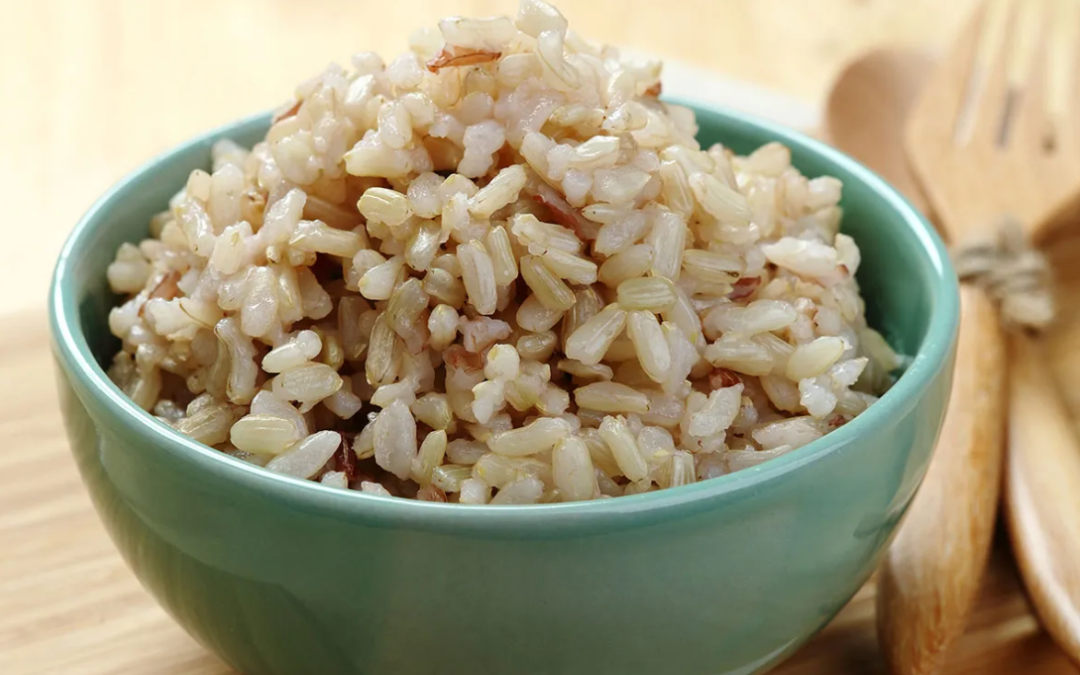
Oman today_ Brown rice has long been regarded as a healthier alternative to white rice among nutrition-conscious individuals. Its outer bran layer makes it a rich source of fiber, vitamins, and minerals. However, recent scientific studies have revealed that this nutritious layer may contain concerning levels of inorganic arsenic—a toxic compound linked to serious health issues such as cancer, cardiovascular disease, and developmental problems in children.
A study conducted at Michigan State University found that, on average, brown rice contains over 40% more inorganic arsenic than white rice. Since this toxic element naturally occurs in some soil and groundwater—or accumulates due to industrial and agricultural activity—rice, which is typically grown in water-flooded fields, tends to absorb more arsenic than most other grains. This applies even to organic rice products.
Regular and excessive consumption of brown rice over the long term may negatively affect health. In adults, this could increase the risk of gastrointestinal issues, skin disorders, type 2 diabetes, heart disease, and certain cancers. In children, prolonged exposure to arsenic has been linked to delayed brain development and a higher risk of early mortality.
However, experts emphasize that there is no need to eliminate brown rice entirely. Moderate consumption—about one to three servings per week—especially as part of a varied and balanced diet, is generally considered safe. It’s also advisable to limit regular intake of rice-based processed products like rice flour, rice cakes, and rice biscuits.
Simple preparation techniques can help reduce arsenic levels in rice. Washing the rice thoroughly before cooking and boiling it in excess water (similar to pasta) and then discarding the water can lower arsenic content, although some nutrients may also be lost in the process.
Ultimately, maintaining balance and diversity in one’s diet is key. Brown rice can certainly be part of a healthy eating plan, but it should not serve as the sole carbohydrate source. Replacing some of it with other whole grains like oats, quinoa, or whole wheat is a practical and safer strategy for overall health.
Nutrition Experts: Brown Rice Requires Mindful Consumption