
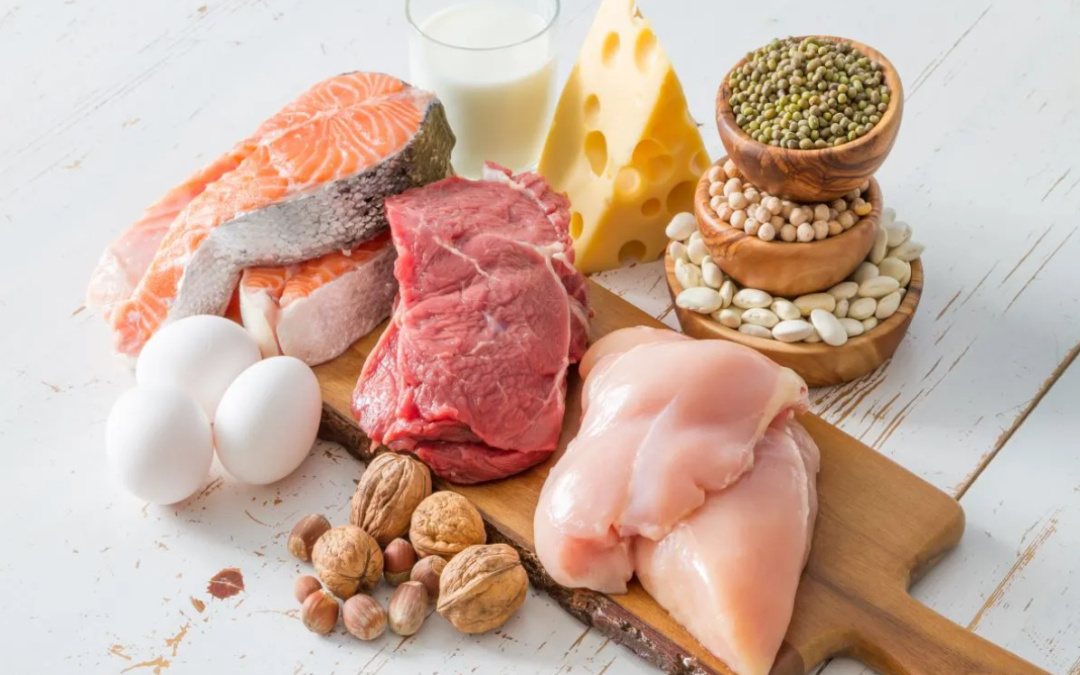
Oman today_ Protein plays a vital role in the human body—supporting tissue repair, muscle development, and immune system function. However, like any nutrient, excessive intake—especially from animal sources—can lead to serious health consequences.
According to nutrition experts, consuming too much animal-based protein can increase the body’s levels of a hormone called IGF-1 (Insulin-like Growth Factor 1). This hormone, produced primarily in the liver, is essential during growth for building bones and muscles. But when IGF-1 levels remain elevated in adulthood, it has been linked to higher risks of conditions like cancer, type 2 diabetes, and accelerated aging.
How much is too much protein?
The right amount of protein depends on factors such as age, weight, and overall health. For adults under 65, a daily intake of around 0.31 to 0.36 grams of plant-based protein per half a kilogram of body weight is recommended. For example, someone weighing 68 kilograms (about 150 pounds) should consume approximately 50 grams of protein per day. This amount can be met through foods like eggs, chicken, legumes, seeds, and nuts. Older adults, especially those experiencing muscle loss or weight decline, may require slightly more.
Long-term effects of excessive protein intake
Consistently high levels of IGF-1 can promote uncontrolled cell growth, raising the likelihood of genetic mutations that may lead to cancer, chronic inflammation, and other serious diseases. Additionally, overstimulating muscle development with excessive protein can actually accelerate biological aging rather than support healthy strength.
The risks of meat-heavy diets
Diets that focus solely on meat—such as carnivore diets—and exclude fruits, vegetables, and dietary fiber can disrupt gut microbiota, trigger chronic inflammation, and weaken the immune system. Without the antioxidants found in plant-based foods, the body becomes more vulnerable to premature aging and disease.
The key: balance and variety
To protect overall health and reduce disease risk, it’s best to follow a balanced diet that includes plant-based proteins, seafood, whole grains, vegetables, and healthy fats like nuts and seeds. Experts suggest maintaining an IGF-1 level between 130 and 160. If the number falls below 130, it may indicate the need for more protein. If it exceeds 160, it could point to an increased risk of aging and illness.
Ultimately, maintaining health is not about cutting out entire food groups or overconsuming any one nutrient. It’s about finding balance, embracing variety, and listening to your body’s real needs.