Oman today_ Summer brings intense heat, and if we’re not careful, our bodies can easily become dehydrated. When temperatures rise, the body naturally sweats to cool itself down. While sweating is essential, it causes a significant loss of water and minerals. If these fluids aren’t replaced quickly, the body can enter a dangerous state known as dehydration.
Certain groups are more vulnerable in such conditions—children, the elderly, pregnant women, and people who work or exercise outdoors. Warning signs of dehydration include dizziness, extreme fatigue, dry mouth, and a noticeable decrease in urination.
To prevent this, it’s crucial to drink water regularly, even when you don’t feel thirsty. Thirst is often a late indicator of dehydration, so it’s better to stick to a hydration schedule. Adults are typically advised to drink around 8 to 10 glasses of water a day, and this amount should increase in hot weather or during physical activity.
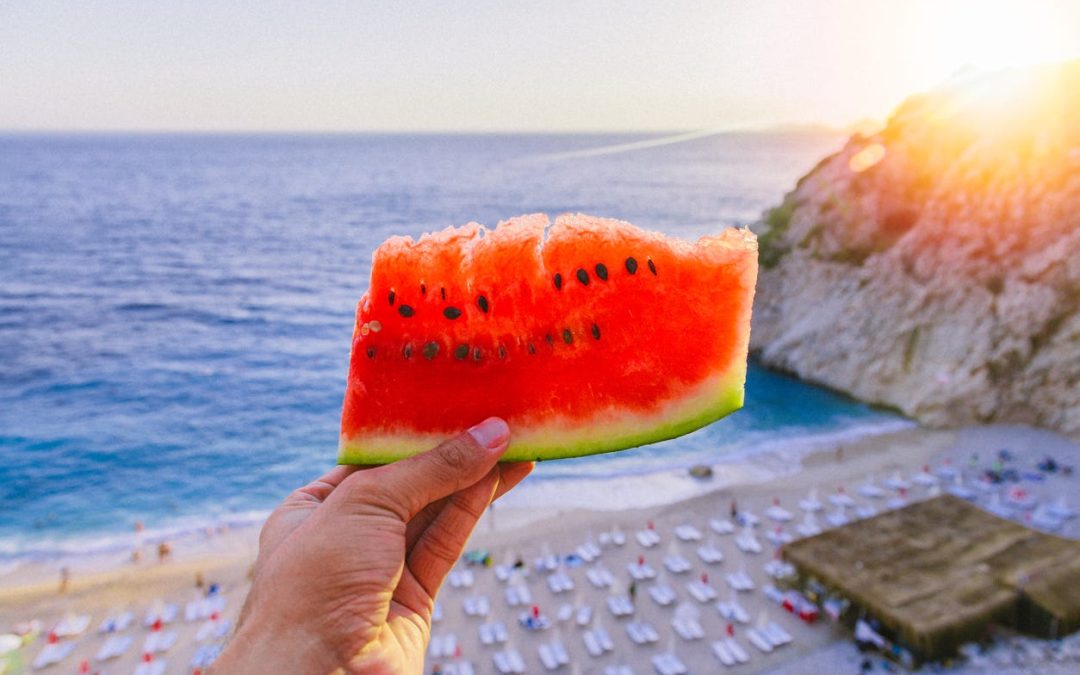
Hydrating foods and drinks also play an important role. Fruits like watermelon, cucumber, oranges, and strawberries contain high water content and help keep your body cool and hydrated. Natural beverages like coconut water or traditional low-sugar drinks can also be beneficial. On the other hand, drinks with caffeine or alcohol may lead to further water loss and should be limited during hot weather.
Try to avoid strenuous activity during the hottest parts of the day—between 11 AM and 4 PM. If you must be outdoors, wear light-colored clothes, a wide-brimmed hat, and sunglasses, and make sure to carry a bottle of water with you. Athletes or those who sweat heavily may also benefit from electrolyte drinks or supplements to maintain sodium and potassium balance.
Ultimately, staying hydrated during summer comes down to awareness and good habits. With a few simple steps—like drinking enough water, choosing water-rich foods, avoiding peak heat hours, and recognizing early signs of dehydration—you can stay safe, energized, and healthy all summer long.
How to Protect Your Body from Dehydration During Summer?