
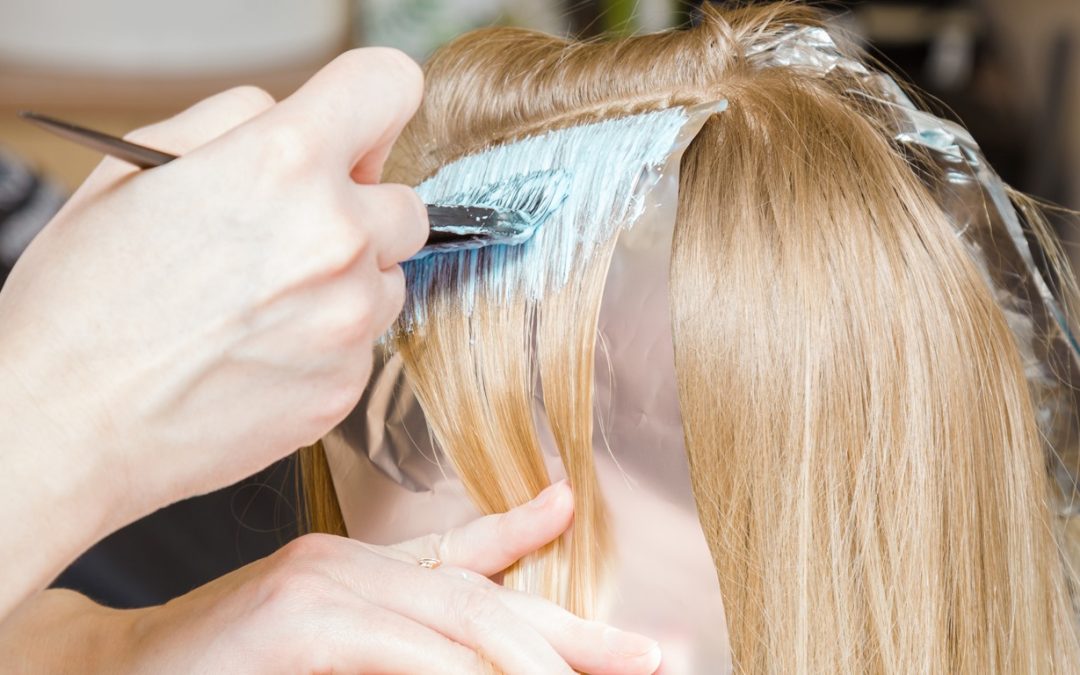
Oman today_ What is Decolorization or Bleaching? Decolorization, also known as bleaching, is a chemical process that removes the natural pigment from hair completely. The natural color of human hair, skin, and eyes is due to melanin. Bleaching reduces this melanin, lightening the hair. This process typically involves combining bleaching powder with a developer (oxidizing agent). This mixture helps open the hair’s cuticle, breaking down melanin, and ultimately lightening the hair to various shades.
How is the Decolorization Process Performed?
When bleaching powder is mixed with a developer, oxygen is released, which opens the hair’s cuticle. The melanin in the hair is then oxidized and broken down. As the process continues, the hair transitions from darker shades to lighter ones. These changes follow a sequence: black, red, orange, yellow, and finally pale yellow. These stages are known as bleaching levels, categorized from Level 1 (darkest) to Level 10 (lightest).
Why is Bleaching Used?
Bleaching serves several purposes, including:
Preparing hair for vibrant and fantasy colors, such as pink, blue, or green.
Facilitating advanced coloring techniques like highlights, ombre, or balayage.
Evening out hair with multiple shades to create a uniform base.
Lightening roots to match the lighter ends of the hair.
Types of Bleaching Powders
There are various types of bleaching powders, each suitable for specific needs:
Yellow Powder: The most affordable option but more likely to damage hair and cause yellow undertones.
Purple Powder: Ideal for achieving higher levels of lightness without yellow tones.
Black Powder: Suitable for sensitive or damaged hair.
White Powder: Powerful and requires high skill for application.
Blue Powder: The most expensive, highly effective, and great for specific shades like platinum.
Bleaching Levels and Their Stages
Levels 1–3: From black to medium brown.
Levels 4–6: From light brown to dark blonde.
Levels 7–10: From light blonde to pale white.
Achieving higher levels of bleaching may require multiple sessions, which demand professional skill and precision.
Pre- and Post-Bleaching Care
Bleaching is a strong chemical process that can damage hair if not done carefully. Here are some essential tips:
Before Bleaching:
1. Perform a strand test on a small section of hair to check for any adverse reactions.
2. Avoid washing your hair for a few days before bleaching to allow natural oils to protect your scalp.
3. Inform your stylist if your hair has been previously treated with chemicals like dye or keratin.
After Bleaching:
1. Use sulfate-free shampoos to preserve color and minimize damage.
2. Incorporate strengthening masks and deep conditioners into your hair care routine.
3. Limit the use of heat-styling tools like blow dryers and straighteners to prevent hair breakage.
Bleaching yields the best results when performed by a professional stylist. While it can enhance the beauty of your hair, proper care is essential to maintain its health and strength.