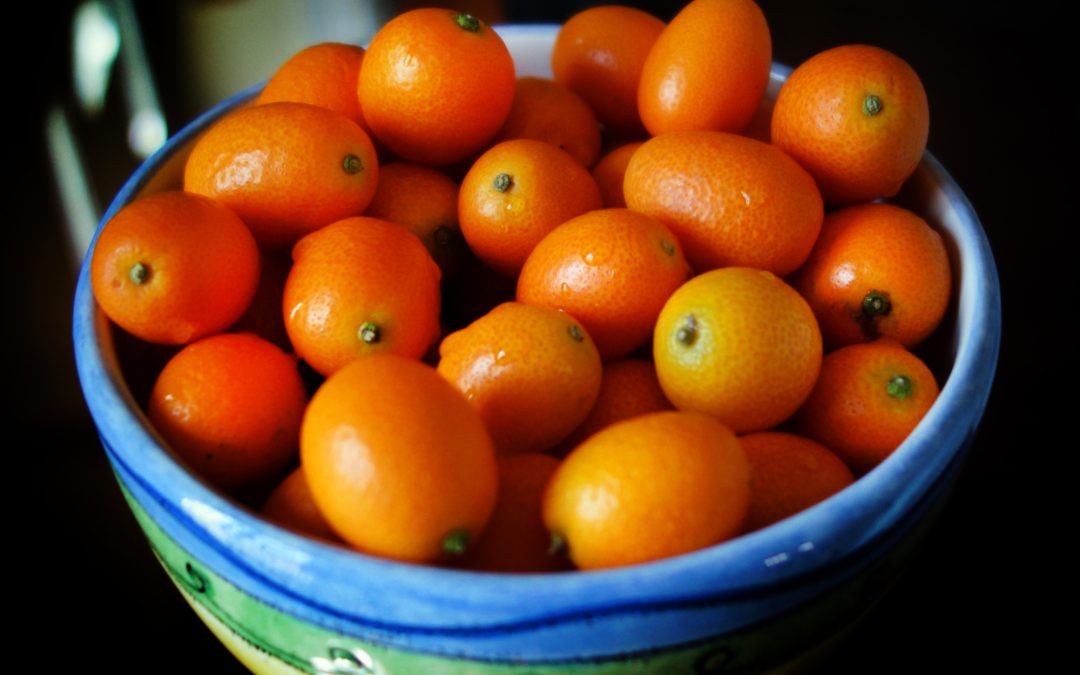
Oman today_ Kumquat, a citrus fruit, resembles an orange with its vibrant orange skin. This small, oval-shaped fruit, similar in size to a date, is typically eaten with its skin and is also used to make jam. Kumquat is cultivated in northern Iran as well.
When sliced, kumquat reveals an appearance similar to a small orange. Its segments are firmly attached to the skin, and each segment usually contains two seeds with a bitter taste that should ideally be removed before consumption.
Kumquat is low in calories; 100 grams of this fruit contain only 71 calories. It is rich in fiber, minerals, vitamins, and antioxidants, all of which offer numerous health benefits. Its edible skin is a notable source of fiber, antioxidants, and beneficial oils. A 100-gram serving of kumquat provides 6.7 grams of fiber, meeting 17% of the daily fiber requirement. Consuming kumquat also delivers beneficial compounds like tannins, pectin, and non-starch polysaccharides.
Kumquat is a powerhouse of antioxidant vitamins, including vitamins A, C, and E, which help reduce oxidative compounds in the body and prevent various diseases. The fruit is particularly rich in vitamin C; 100 grams contain 47.9 milligrams, fulfilling 73% of the daily requirement. This vitamin not only offers antioxidant benefits but also plays a vital role in collagen production, wound healing, combating viruses, preventing cancer, and reducing the risk of neurodegenerative diseases. It also alleviates symptoms of rheumatoid arthritis and diabetes.
Additionally, kumquat contains B-complex vitamins like thiamine (B1), niacin (B3), pyridoxine (B6), folate, and pantothenic acid. It is also a good source of minerals such as calcium, copper, potassium, manganese, iron, selenium, and zinc. For instance, 100 grams of dried kumquat contain 640 milligrams of potassium, 162 milligrams of calcium, and 20.03 milligrams of iron.
Kumquat should be harvested when fully ripe and can be consumed fresh, as a compote, or as jam. It also makes an excellent addition to various salads.
Kumquat: A Bite of Health in an Orange Peel