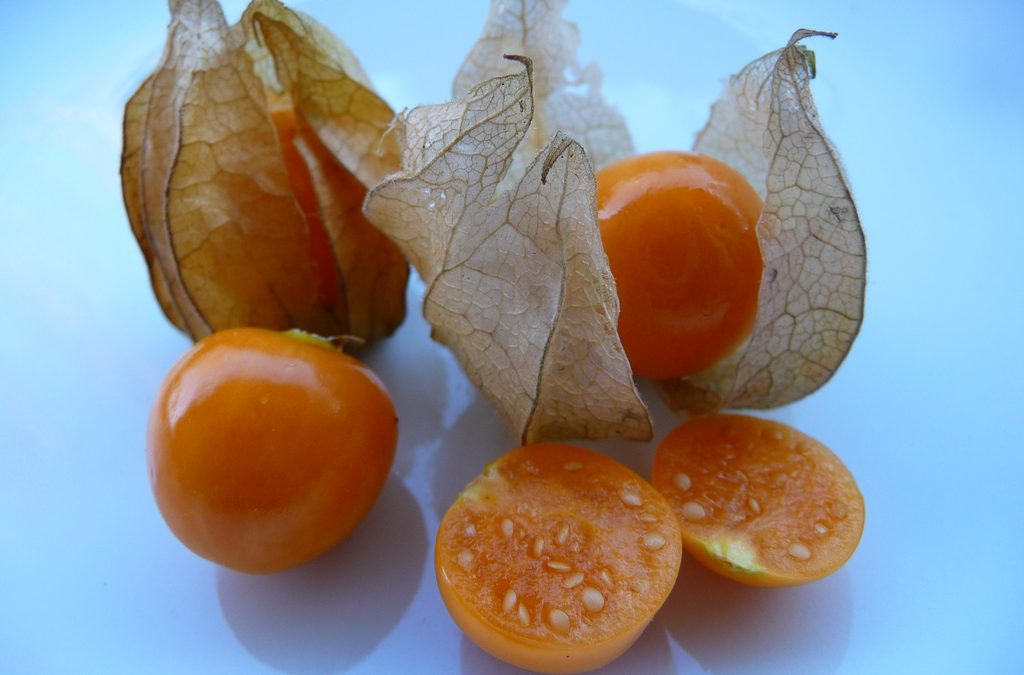
Oman today_ The Physalis fruit grows encased in a flower-like husk, giving it a unique lantern-shaped appearance. This small, golden-yellow fruit resembles a tiny tomato and offers a flavor that combines sweet and tangy notes, reminiscent of pineapple and strawberry. Inside the fruit are tiny seeds, and unripe Physalis may cause digestive discomfort. It can be consumed fresh or used in pies, fruit salads, and other dishes.
Properties and Benefits:
1. Rich in Vitamins and Antioxidants: Physalis is packed with vitamins P, C, E, A, and F, which help neutralize free radicals, protecting the body from diseases such as cancer, heart attacks, prostate issues, asthma, and allergies.
2. Medicinal Uses: Tea made from the leaves and stems of this plant is effective in treating asthma, skin conditions, malaria, hepatitis, rheumatism, and liver problems.
3. Boosts Immune System: This fruit has antibacterial, antiviral, and anti-cancer properties. It also promotes skin rejuvenation and enhances sexual vitality.
4. Vitamin P and Improved Vitamin C Absorption: Vitamin P helps strengthen the immune system and enhances the body’s ability to absorb vitamin C.
5. Minerals: Rich in minerals such as iron, potassium, phosphorus, and magnesium. The pectin content in Physalis helps lower cholesterol levels.
6. Cosmetic Applications: It is used in the production of beauty creams and contributes to skin vitality and radiance.
Due to its papery husk, Physalis is free from contamination and pathogens. It can remain fresh for up to 10 days at room temperature and up to 2 months when stored in a refrigerator.
Physalis: A Small Fruit with a World of Benefits