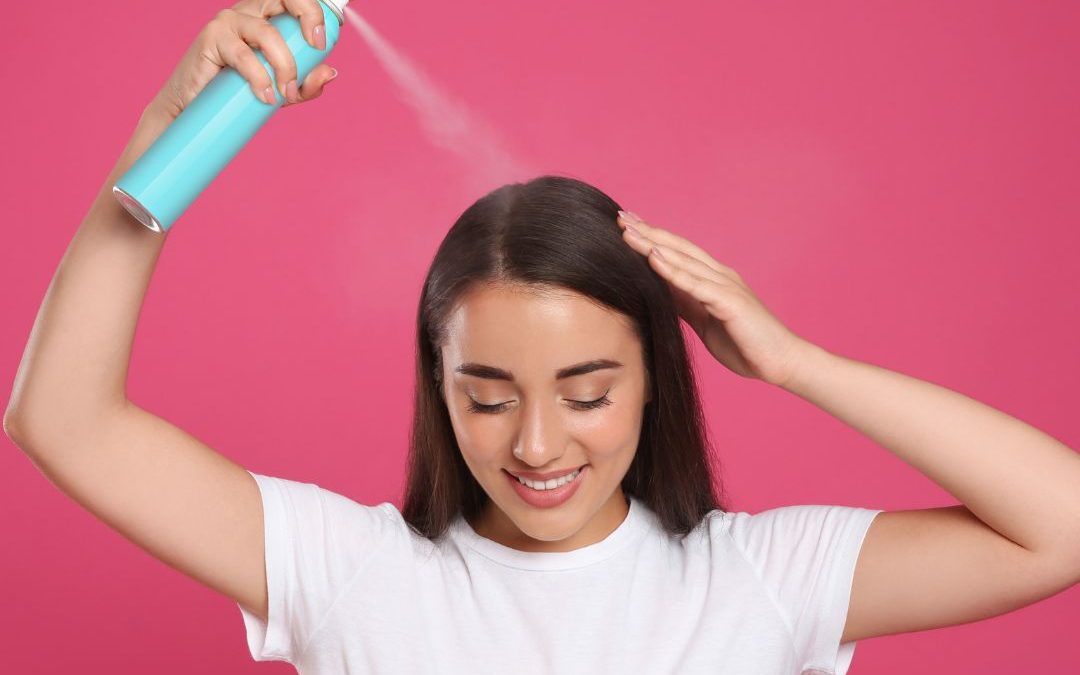
Oman today_ Dry Shampoo: A Solution for Removing Oil and Dirt from Hair Dry shampoo has recently secured its place on the A-list as a popular solution to remove oil and dirt from hair. However, beauty products are much like celebrities—they gain a fan following, and then rumors start spreading. There have always been lengthy discussions about the benefits, drawbacks, and uses of dry shampoo. Here, we try to uncover the truth about dry shampoo. Does it really clean your hair? Is it harmful? What is Dry Shampoo? In general, dry shampoo was created to reduce the frequency of washing hair with water and regular shampoo, as excessive washing is an unhealthy habit. This type of hair product claims to reduce the oil and dirt in your hair. It’s available in well-known beauty stores like Sephora, Gratis, and Watsons. Unlike traditional shampoos and conditioners, dry shampoo can be applied to dry hair, which is why it’s called “dry.” It doesn’t require rinsing and is typically applied to the roots and other areas where oil accumulates. Dry shampoo is perfect for hot summer days and even after sweating during exercise! How Does Dry Shampoo Work? Your scalp is covered with hair follicles, which not only promote hair growth but also produce sebum, a natural oil that moisturizes your scalp. Sebum serves an important purpose: it softens your hair and helps protect the skin beneath it. But when you’re sweating, spending time outdoors, or just going about daily activities, the oil and sweat from your scalp accumulate in your hair, giving it a greasy look. Washing, blow-drying, and styling your hair daily can be time-consuming and may not even be beneficial for your hair’s health. This is where dry shampoo comes in. It typically uses alcohol or starch-based ingredients to absorb the oil and sweat in your hair. Removing the oil makes your hair look cleaner, and most dry shampoos also contain a pleasant fragrance that keeps your hair smelling fresh between washes. Does It Really Clean the Hair? Don’t be fooled—dry shampoo is not a replacement for regular shampoo. It’s merely a type of spray or powder that absorbs oil from the scalp to refresh your hair without water. While no one likes dirty hair, figuring out how often to wash it can be tricky. Traditional shampoos cleanse your scalp and hair of dirt, oils, and environmental pollutants. Since dry shampoo works without water, it only cleans specific areas. Additionally, many dry shampoos can build up along the roots if used for an extended period. So, while dry shampoo can extend the time between washes, you should still use traditional shampoo periodically to wash and rinse your hair thoroughly. Is It Effective on Curly Hair? A common misconception is that dry shampoo is unsuitable for curly or textured hair. This couldn’t be further from the truth. When used sparingly, dry shampoo forms a light protective layer that locks in moisture and oil. Since curly hair requires more moisture, it’s recommended that those with curly hair use dry shampoo cautiously, applying it only to the roots to prevent drying out their hair. Does It Make Hair Look Gray? This is a common question, especially among people with dark hair. Because dry shampoo is typically a white, powdery solution, it may leave a faint gray tint where it’s applied. However, high-quality dry shampoos are formulated for all hair colors. Look for products specifically designed for dark hair or those with a slight tint. When using dry shampoo, apply it carefully, as excessive use can become visible on the follicles. Is Dry Shampoo Harmful? Don’t worry—dry shampoo doesn’t cause long-term damage. Most horror stories or blog posts you’ve read likely come from people who used the product incorrectly or as a replacement for regular shampoo. When used alongside moisturizing and nourishing shampoos and conditioners, it can help maintain a balanced scalp in the long term. If you still have concerns, consider switching to a different dry shampoo formula. Those without talc, parabens, and sulfates provide the best results.
How to Use Dry Shampoo:
1. Hold the can about six inches away from your head.
2. Spray a small amount directly onto your roots, not forgetting the hair at the back of your neck, above the ears, and around the back of your head.
3. Massage the shampoo into your hair with your fingers.
4. You can use a blow dryer to add volume while the shampoo dries naturally on your scalp.
Dry Shampoo_Usage, Benefits, and Drawbacks