
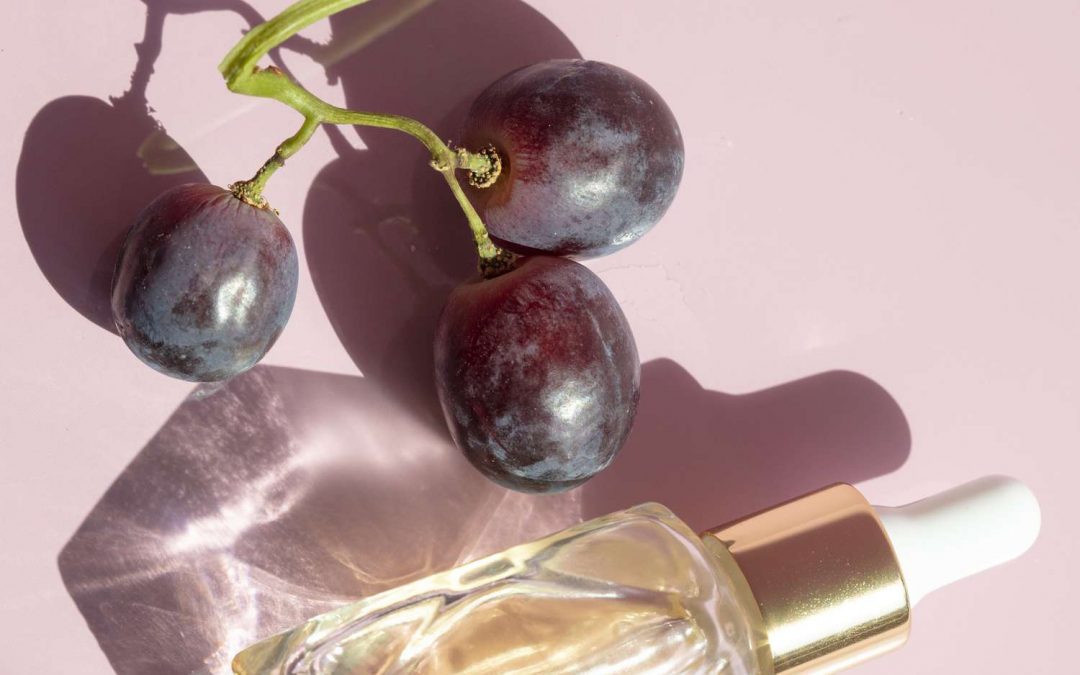
Oman today_ An oil can be an ideal final step in your skincare routine after cleansing, applying serum, and then layering on your daily moisturizer. Not only does it boost hydration but it also locks in all of those nourishing ingredients. Marula and jojoba oils may already be at the top of your list, but grapeseed oil is another option to have on your radar.
Grapeseed oil can be used for skin health in the following two ways:
1. Direct Application: Applying grapeseed oil directly to the skin.
2. Consumption of Grapeseed Extract: Consuming grapeseed extract in the form of liquid, capsules, or tablets.
The best option is to choose pure and organic grapeseed oil products obtained through cold pressing. Since cold-pressed oils require fewer chemical solvents, they are purer and more effective. Moreover, research shows that cold-pressed plant oils have better nutritional properties compared to those obtained through intensive refining processes. If you plan to use grapeseed extract capsules to improve the appearance of your skin, keep in mind that the results may take several weeks or even months to become noticeable. Some studies suggest that most people can achieve the desired results after six months of regular use of these capsules. Grapeseed oil is a lightweight oil extracted from the seeds of grapes. This unique substance, with its light texture, is easily absorbed by the skin, making it soft, smooth, and moisturized. Known for its antimicrobial and anti-inflammatory properties, grapeseed oil contains abundant omega fatty acids and vitamin E, which contribute to its popularity in skincare formulations. The strong antioxidant capacity of grapeseed can also help reduce signs of aging, including sunspots, fine lines, and wrinkles.