
As ski destinations around the world reopen this winter, one resort in the French Alps has permanently closed its slopes because of a lack of snow.
La Sambuy, a small family ski resort not far from Trois Vallees, used to get snowfall from December to April, but last season it was only able to open for a few weeks – and was facing an annual operating loss of about 500,000 euros ($530,000), the town’s mayor told CNN.
It’s not the only skiing destination affected by the world’s warming temperatures. A report in the scientific journal Nature Climate Change in August found more than half (53 per cent) of 2,234 European ski resorts surveyed are probably at risk due to low snow supply at 2°C of global warming above pre-industrial levels.
Meanwhile, this summer was the planet’s hottest on record, according to the EU’s Copernicus Climate Change Service. It became known as the summer of wildfires, as blazes raged from Canada to Greece and Hawaii.
In Europe, these stifling temperatures meant the number of people looking to travel to the Mediterranean region between June and November dropped by 10 per cent year-on-year, according to the European Travel Commission.
All of these factors – and plenty more – mean people’s travel habits are starting to permanently shift.
Shoulder season trips to soar
Summers are only set to get warmer and so this could give way to more “shoulder season” holidays, whereby tourists take their leave during the traditionally quieter spring and autumn months. This is usually between March and April, then September and October.
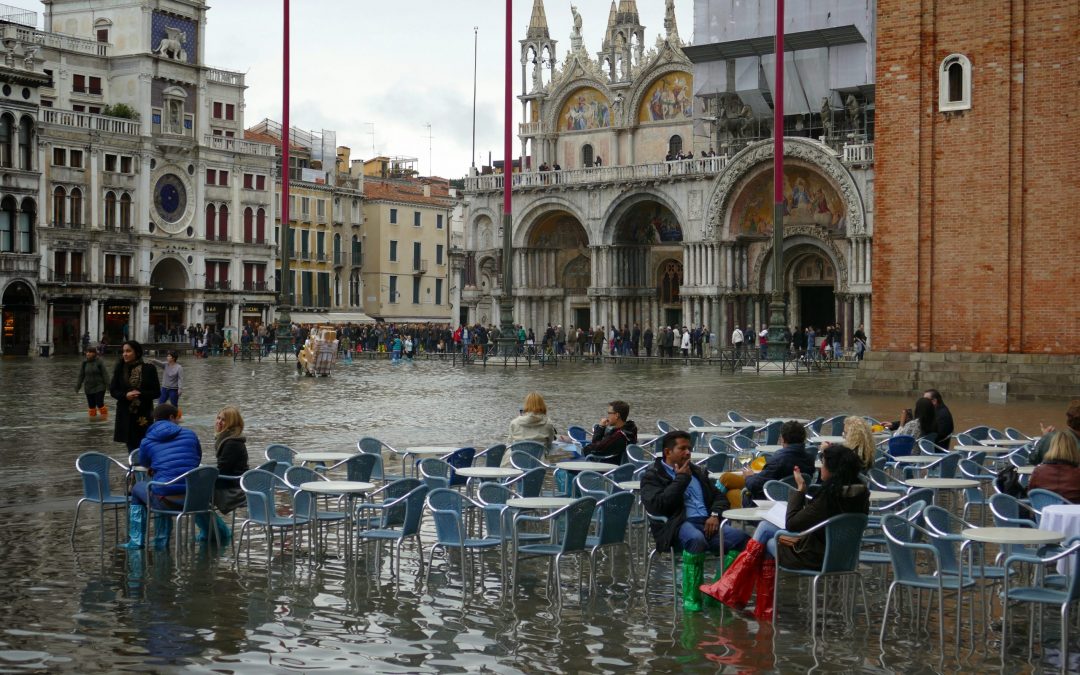
“We try to find pockets of time that are less busy,” says Rebecca Alesia, founder of New York travel agency Wanderology. If someone wants to visit Venice, for example, she’d avoid sending them during the film festival, biennale or summer. “That’s one of the reasons we’re doing a lot of winter European vacations this year. Yes, go and see Rome and Florence and Venice in December. Sure, you wear a jacket. In Paris, you’ll wear a turtleneck. But at least you’re not going to be fighting with everybody to get into everything.”
In October last year, short-term rental analytics platform AirDNA noted that occupancy rates at mountain and lake destinations worldwide were nearly as high as July 2019’s peak.
Personal travel bookings between September 1 and October 31 were up 22 per cent this year when compared to last year, according to Navan, an online travel management software company.
Sunny southern coastal regions, such as Greece, Italy and Spain in Europe, are expected to be among the most affected by this trend, as the European Commission’s Joint Research Centre estimates as much as 10 per cent of their tourists might start avoiding peak summer months. In the US, it’s destinations such as Florida that will feel the heat.
Off the beaten track
If people aren’t changing when they travel, then they’re likely choosing cooler destinations.
Countries such as Denmark, Ireland, Bulgaria and the UK saw a surge in interest this summer, for example.
In June, experiential group travel company EF Go Ahead Tours, from the US, said bookings for Scandinavia were up 50 per cent compared with summer 2019. Australian company Intrepid Travel, meanwhile, said sales to Iceland were up 136 per cent through May compared with the same pre-pandemic period, according to Travel Weekly.