
Traveling is a wonderful way to broaden your horizons and free your imagination, but what happens when millions of people converge on the same destination each year? Some of the most-loved places in the world are actually getting destroyed by well-meaning visitors.
From the Great Pyramids of Egypt to locations used in popular movies, these hallowed sites might not be around for much longer. You’ll be surprised at just how much that Facebook photo ends up costing the environment. Next time you plan a trip, you might want to avoid these spots, so that others may enjoy them for years to come.
1. Bali, Indonesia
Tourists Per Year: 6.3 million*
Damages: Cultural degradation
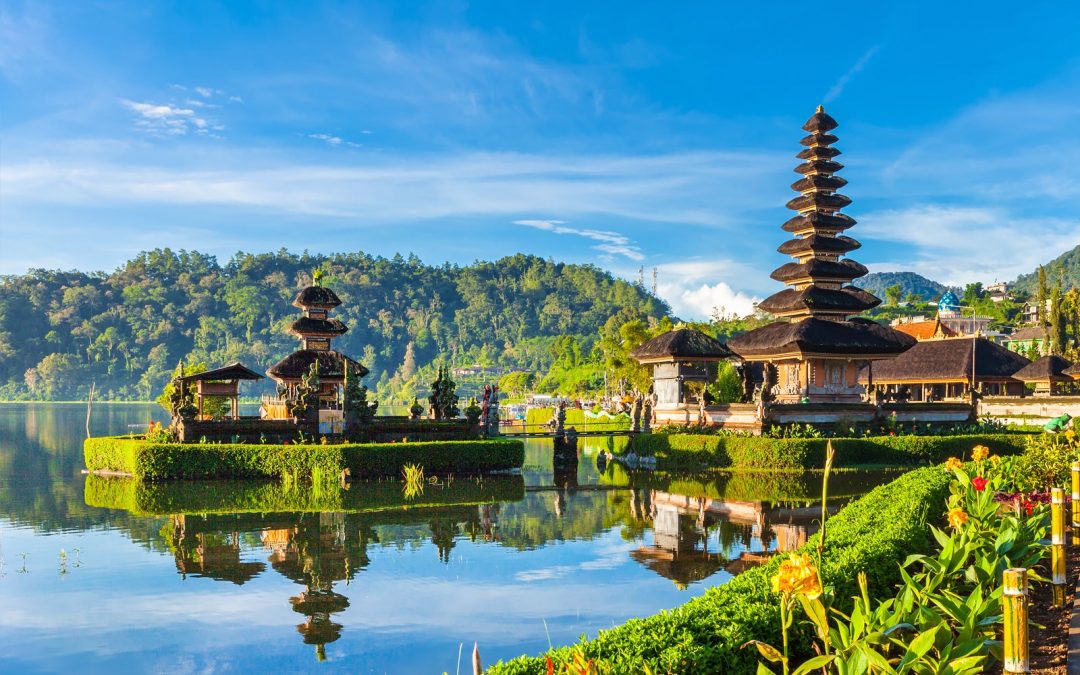
The very mention of Bali conjures up images of a peaceful experience in one of the most blissful places in the world, but is that the reality? Over the past decade, the destination has become more and more popular, seeing over six million people flock to the country every year. While it has helped boost the economy, some people believe the cultural feel and spirituality have diminished as a result. Numerous newspapers and articles posted on sites like Facebook lament the loss of “the magic of Bali.” However, this is up for debate.
2. Venice, Italy
Tourists Per Year: 5.5 million*
Damages: Impact on locals, pollution
Venice is one of the most unique places in the world thanks to its intricate waterway system. Most of us are used to seeing roads connecting houses, not houses built on water. As a result, the Italian city is very popular with visitors, attracting around 5.5 million a year. Some local businesses thrive from the influx, but tourism can create issues for locals. Residents can find it hard to go about their usual business in the peak months with such a high amount of tourists around. Tourists mean more queues and more of a strain on local services, but we don’t see that in the movies.
3. Mount Everest, Nepal
Tourists Per Year: 1,000*
Damages: Pollution
Mount Everest is the one to beat for experienced climbers, but it’s not exactly an easy task. Climbers bring tons of equipment with them, as do their teams. Even the most well-meaning teams can end up leaving somewhat of a trail of trash behind them, from food wrappers to oxygen tanks.
Although the number of people that climb Everest is less than 1,000 a year, the environmental impact is notable. Plus, it’s not unusual to see big groups of climbers at the same time, which can be a logistical nightmare.
4. Petra, Jordan
Tourists Per Year: 1 million*
Damages: Impact on sacred site, damage to sandstone
Petra in Jordan is a site of major historical importance, with intricately carved temples situated in gorgeous pink sandstone cliffs. Given its meaning, it’s natural that tourists would want to see it in person. However, the site is delicate and with over 1 million people milling through there every year, it has to take its toll.
Sandstone isn’t the toughest material out there, so it can easily be worn down. What’s more, some also believe that the sacredness of the site is being erased because of the sheer volume of people that go through there every year.
5. Cozumel, Mexico
Tourists Per Year: 4 million*
Damages: Dying coral reefs
The island of Cozumel is set just off the coast of Mexico in the Caribbean Sea. Thanks to its location, the site is surrounded by blue water and is home to some truly spectacular sites. It’s a popular tourist destination, with over four million visitors stepping foot on the island in 2018.
The island is home to around 100,000 people, which seems like a paltry amount considering just how many visitors it gets. Although a lot of businesses rely on the tourist industry to stay afloat, Cozumel is starting to see the impact of over-tourism. Some of the fauna on the island is already endangered, as are some animals, and the once-beautiful coral reefs are bleaching at an alarming rate.
6. Machu Picchu, Peru
Tourists Per Year: 500,000*
Damages: Severe damage to the site, including toppled walls
Machu Picchu in Peru is legendary as one of the few remaining sites from the Inca era. Over 500,000 people visit the historical citadel every year. While most are respectful, accidents can and do happen. In 2020, a group of tourists visited the site at night, causing a stone wall to topple.
The wall, which was part of the Temple of the Sun, fell around 20 feet and caused further damage to the floor. It’s not clear exactly how much it would have cost to repair the priceless site, but it can’t have been cheap – or easy.
7. Burning Man, Nevada, USA
Tourists Per Year: 80,000*
Damages: $5-10 million per year to throw the festival, including clean up*
It’s hard to imagine now, but there was a time when Burning Man was a much smaller festival that was only visited by a tight-knit group of people. Over the years, the reputation of the Nevada-based event grew, causing more and more revelers to buy tickets.
Now, around 80,000 people flock to the festival each year. As you might expect, the cost of throwing the festival has skyrocketed, both literally and to the surrounding environs. The end bill is somewhere in the region of $10 million, with a large portion of that allocated to the immense clean-up, as the festival is taking a toll on the Black Rock desert.
8. Pig Island, The Bahamas
Tourists Per Year: 6 million visit the Bahamas*
Damages: Pig deaths, pollution
There are plenty of things tourists expect to see when visiting an island in the Bahamas, but pigs swimming in the water isn’t necessarily one of them. Pig Beach is a specific spot located in Exuma, an island in the Bahamas. To tourists, it’s just a fun place to take Insta-worthy pictures, but to a colony of feral pigs, it’s home.
Needless to say, visitors love seeing the pigs rolling around in the sand and taking a dip in the crystal-clear water. You might spot several snaps of the pot-bellied cuties on sites like Pinterest . Unfortunately, with the increased number of tourists comes people who feed the pigs human food and garbage, which has been making them sick.
9. Bubble Gum Alley, San Luis Obispo, California, USA
Tourists Per Year: 200,000+*
Damages: Severe damage to the walls
There are some things in the world that make for unlikely tourist destinations. Bubble Gum Alley in San Luis Obispo, California, is one of them. The downtown hotspot is a popular destination as it’s 20-meters-long and covered in chewing gum left by previous visitors.