
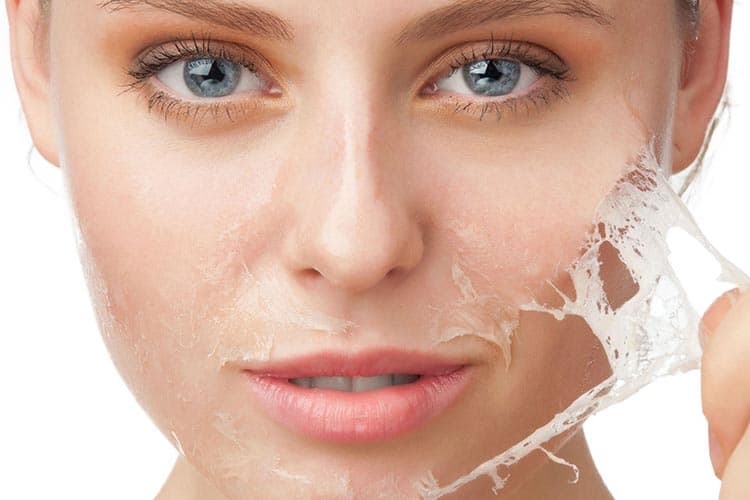
Oman today_ To achieve healthy, clear, and smooth skin, there are many approaches such as laser treatments, antioxidants, and professional skincare. Alongside these options, exfoliation remains one of the simplest and most effective ways to remove dead skin cells, improve skin tone, and help the skin breathe better. Exfoliation can be done both at home and in professional clinics, depending on personal preference and skin needs.
Exfoliation is essentially the process of removing dead skin cells, surface blemishes, mild acne marks, and dullness using either chemical formulas or physical tools. By clearing away this buildup, the skin appears fresher, more radiant, and more even in texture.
The skin is constantly renewing itself, but when dead cells are not properly removed, they can accumulate on the surface. This buildup often leads to dryness, a dull appearance, and skin that looks tired and older than it actually is. Regular exfoliation helps fade dark spots and age-related discoloration, softens the appearance of fine lines, unclogs pores, and reduces the likelihood of breakouts. By boosting cell turnover and supporting collagen production, exfoliation also improves the absorption of serums, antioxidants, and moisturizers, leaving the skin softer and more luminous. For those with acne-prone or uneven skin, exfoliation can be an essential step in a daily or weekly skincare routine.
There are two main types of exfoliation: chemical and physical. Chemical exfoliation uses ingredients such as acids to gently dissolve dead skin cells on the surface. This method is generally milder, causes less friction, and is often better suited for sensitive or acne-prone skin. Many chemical exfoliants also offer anti-aging benefits and help stimulate collagen without the need for scrubbing.
Physical exfoliation, on the other hand, works through gentle friction. It can be done using tools like sponges, brushes, towels, or exfoliating scrubs, and in clinics it is commonly performed through treatments such as microdermabrasion or hydradermabrasion. With this method, controlled pressure and soft circular motions are essential to avoid irritating or damaging the skin.
When exfoliating the face, always start by cleansing the skin with your usual facial cleanser. If you are using a chemical exfoliant, apply it according to the product instructions on areas such as the face or neck, allow it to work for the recommended time, and then follow with a suitable serum and moisturizer. Some chemical exfoliants need to be rinsed off, so reading the product label carefully is important.
For physical exfoliation of the face, apply a small amount of scrub to damp skin, avoiding the eye area, and massage gently using circular motions. Rinse with lukewarm water, pat the skin dry with a clean towel, and finish with a hydrating mask or a soothing, repairing cream.
Exfoliating the body can also improve skin softness and support better circulation. In the shower, you can use a scrub or a soft brush with light pressure. Areas like the soles of the feet, where the skin is thicker, may benefit from stronger physical exfoliation, while sensitive areas such as the bikini line should be treated gently with mild products and followed by a moisturizer to prevent irritation.
Finally, a few key points should always be kept in mind. Avoid over-exfoliating, as this can weaken the skin’s natural barrier and lead to redness, sensitivity, or breakouts. Choosing the right product for your skin type is essential, especially if your skin is dry or sensitive. If your skin is irritated, wounded, or inflamed, exfoliation should be postponed until it has healed. Always perform a patch test before trying a new exfoliating product. Moisturizing after exfoliation is essential, and because the skin becomes more sensitive to sunlight, applying sunscreen with an SPF of at least 30 is crucial for proper protection.