
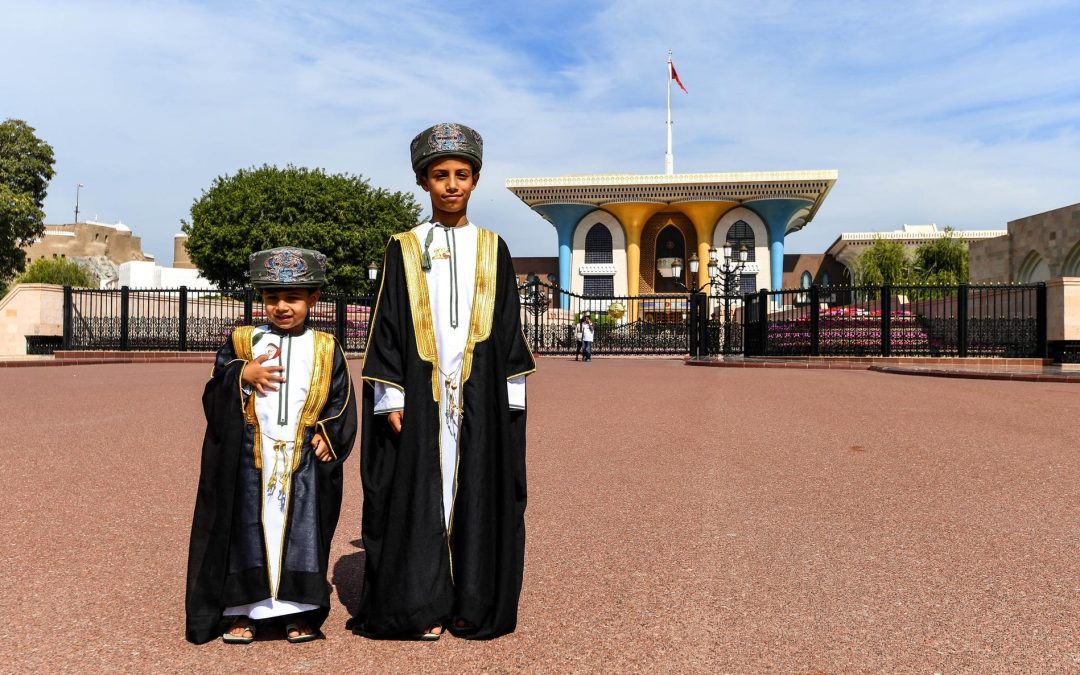
Oman today_ The Sultanate of Oman, together with Arab countries under the leadership of the State of Qatar, has successfully inscribed the “Bisht” as a shared Arab cultural element on the Representative List of the Intangible Cultural Heritage of Humanity of the United Nations Educational, Scientific and Cultural Organization (UNESCO). This achievement comes in the context of Oman’s participation in the 20th session of the Intergovernmental Committee for the Safeguarding of the Intangible Cultural Heritage (2003 Convention), which is being held from 8 to 13 December 2025 in New Delhi, the capital of India.
This success serves as a model of Arab cultural cooperation in preserving shared heritage and ensuring its sustainability for future generations. The Bisht is a symbol of elegance, prestige, and social status in Arab societies, worn on official, national, and social occasions. This distinguished men’s cloak is usually worn over the main garment, such as a dishdasha, and is used in Oman, Saudi Arabia, Qatar, the UAE, Kuwait, Bahrain, Iraq, and among some Arab communities in Iran.
The Bisht is typically made from lightweight, soft, and high-quality fabrics, often wool or fine expensive textiles, with gold or silver trim that signifies splendor and social standing. Traditionally, it has been worn by leaders, sheikhs, tribal elders, scholars, and prominent figures across Arab countries, and the meticulous hand-tailoring and traditional embroidery skills involved in its creation have been passed down through generations.
UNESCO’s recognition of the Bisht not only highlights its historical, cultural, and social significance but also acknowledges it as an important part of Arab cultural identity and a clear example of solidarity and cultural cooperation across the Arab world.