
Oman today_ Over time, many things improve—but unfortunately, skin is not one of them. As we age, wrinkles and dark spots appear, and the skin gradually becomes dry and dull. Facial serums can help reduce these effects, combat blemishes, and give the skin a more youthful and radiant appearance.
What is a Facial Serum?
A facial serum is a specialized skincare product with a lightweight texture and a high concentration of active ingredients such as Vitamin C, retinol, niacinamide, and other beneficial compounds. The purpose of serums is to penetrate deep into the skin to address specific concerns such as wrinkles, acne, dark spots, hyperpigmentation, and dryness. Due to their lightweight formulation, serums are absorbed more quickly and are often more effective than regular skincare products.
Types of Facial Serums
Serums are categorized based on their active ingredients, and a single product may contain multiple beneficial compounds.
Vitamin C Serum: Vitamin C is a powerful antioxidant that protects the skin from free radical damage. It helps even out skin tone, brightens the complexion, and supports collagen production, keeping the skin youthful. Vitamin C serums are suitable for all skin types.
Hyaluronic Acid Serum: Hyaluronic acid can hold up to 1,000 times its weight in water, making it a key ingredient in hydrating serums and creams. Hyaluronic acid serums provide deep hydration, plump fine lines and wrinkles, and leave the skin looking fresh and voluminous. While suitable for all skin types, those with dry skin benefit the most.
Niacinamide (Vitamin B3) Serum: Niacinamide, a derivative of Vitamin B3, is essential for skin health. Serums containing niacinamide help strengthen the skin’s protective barrier, reduce inflammation, minimize pores, and fade stubborn spots. These serums are multifunctional and ideal for oily, acne-prone, and combination skin.
Retinol (Vitamin A) Serum: Retinol, derived from Vitamin A, is widely used in anti-aging products. It boosts collagen production, accelerates cell turnover, and gradually reduces the appearance of wrinkles. It also prevents pore blockage and the accumulation of dead skin cells. Retinol serums are suitable for mature skin as well as acne-prone skin.
Anti-Acne Serum: Specifically formulated for oily skin, these serums often contain ingredients such as salicylic acid or benzoyl peroxide to reduce inflammation caused by acne. Some may also include zinc or other anti-inflammatory compounds and gently exfoliate to fade acne marks over time.
Tips for Using Serums
Always follow serum application with a moisturizer, as the high concentration of active ingredients can sometimes irritate the skin. Pay attention to usage instructions on the product or your dermatologist’s advice. Some serums can be used daily, while others should be applied only a few times per week.
Simple Steps to Apply a Facial Serum:
1. Cleanse your face with a gentle, suitable cleanser. Using a toner can further help prepare the skin for better absorption.
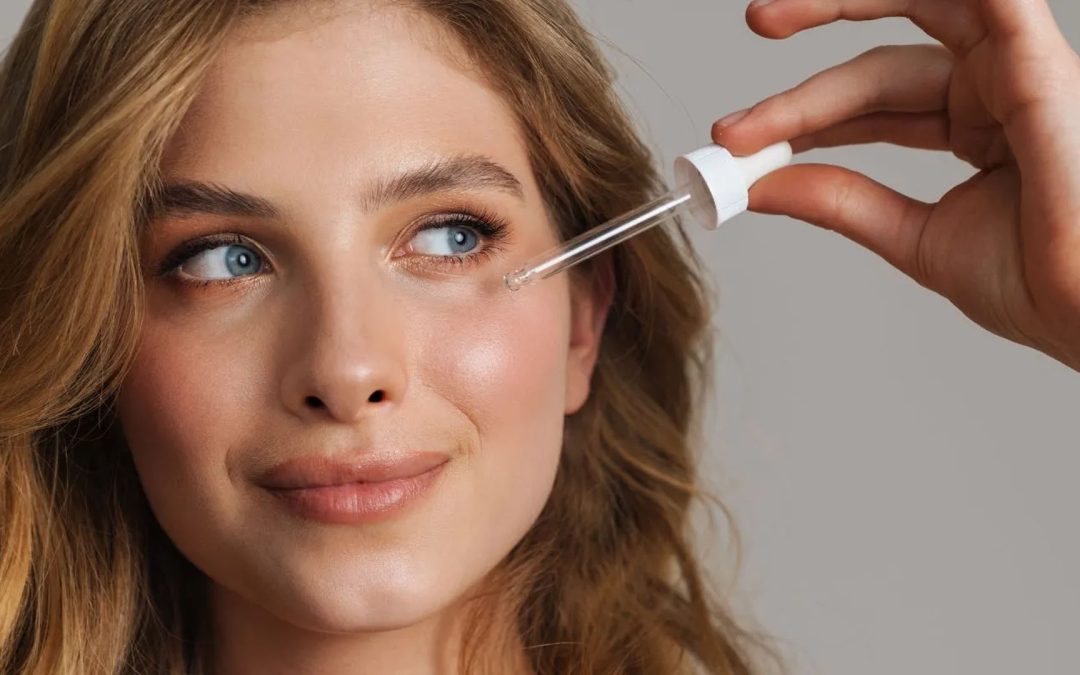
2. Apply a few drops of serum to your face and gently massage it in. The skin doesn’t need to be completely dry; a little moisture is fine.
3. After the serum has fully absorbed, apply a lightweight moisturizer to keep the skin soft and hydrated.