
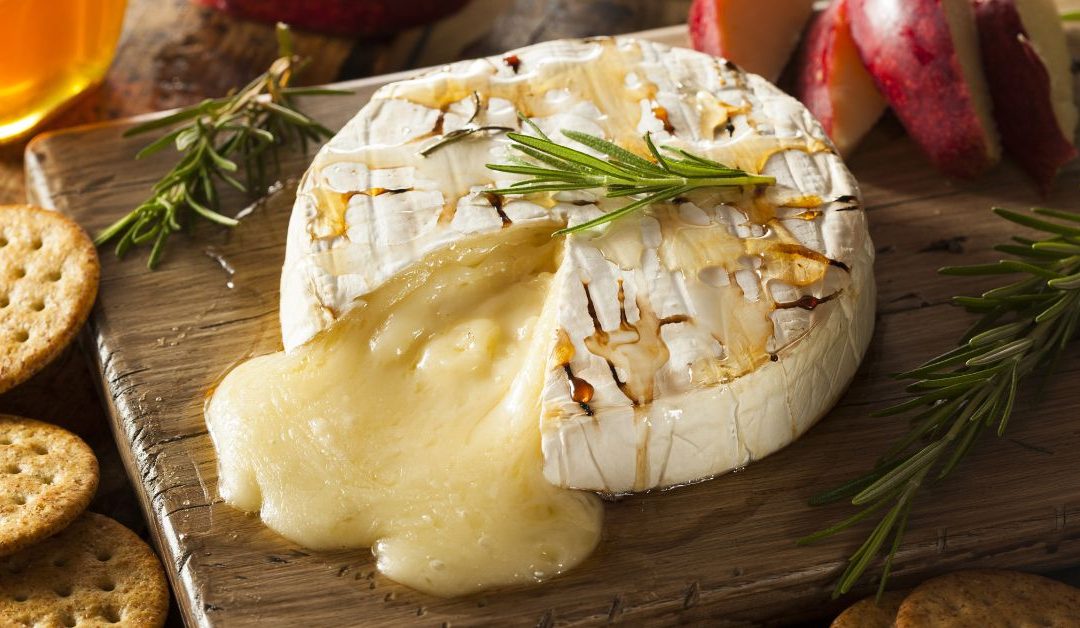
Oman today_ Camembert cheese is a soft and creamy favorite known for its distinctive flavor and texture. However, cheeses made from raw milk are not recommended for children, the elderly, or individuals with weakened immune systems. This cheese is rich in B vitamins, including B1, B2, B3, B5, B9, and B12, as well as vitamins A, D, K, and E, and contains essential minerals such as calcium, phosphorus, potassium, magnesium, and iron. Nevertheless, its saturated fat content is relatively high, so excessive consumption may not be suitable for sensitive groups.
Camembert melts easily and can be enjoyed raw or paired with crackers, toasted bread, cakes, sandwiches, salads, jams, fruits, and even meats. To preserve its unique flavor and creamy texture, it is best consumed raw or with minimal heating. Ready-to-eat Camembert should have a white surface and a glossy yellow interior; any ammonia-like smell indicates overripe cheese.
The production process involves pasteurizing the milk, adding starter cultures, forming curds, cutting and consolidating the curds, applying Camembert mold, salting, drying under controlled temperature and humidity, and finally packaging in materials that allow limited oxygen exchange. These steps ensure that the Camembert reaches consumers with its signature creamy texture and rich flavor.
Nutritional values per 100 grams include 300 kcal of energy, 19.8 g of protein, 24.2 g of total fat, 15.2 g of saturated fat, and 7 g of unsaturated fat, making it a nutritious and delicious choice for light meals and snacks.