
Oman today_ Proteins play a vital role in the body, and nearly all tissues and bodily functions depend on them. The only substances in the body that naturally do not contain protein are urine and bile. The primary functions of proteins include building and repairing tissues, regulating bodily functions, and supporting the immune system. Additionally, proteins can serve as an energy source when needed, providing about 4 kilocalories per gram, although this is not their primary role.
Proteins are made up of units called amino acids. Some amino acids can be synthesized by the body, while others must be obtained through diet; these are known as essential amino acids. Proteins that contain all essential amino acids in adequate proportions are called complete proteins. All animal proteins, except gelatin, are complete, whereas most plant proteins are considered incomplete and need to be combined with other plant sources or supplemented with some animal protein to provide all essential amino acids.
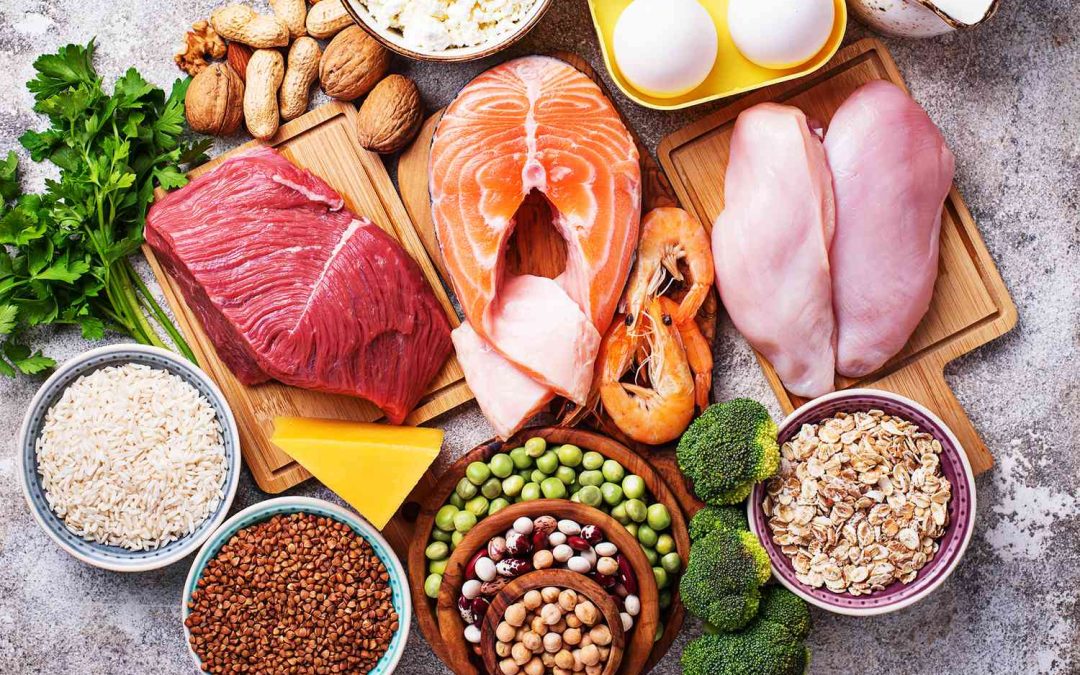
In a balanced diet, approximately 10 to 15 percent of daily calories should come from protein. For example, in a 2,000-calorie diet, about 50 to 75 grams of protein are required. Common protein sources include bread, rice, and pasta (9 g = 3 g protein), one cup of milk or yogurt (8 g), 30 g of meat, one egg, or half a cup of cooked legumes (7 g each).
Protein intake is particularly important for children’s growth and tissue repair. The protein requirement in early childhood is around 2.1 grams per kilogram of body weight, decreasing to about 1 gram per kilogram between ages 4 and 6. This amount can be met with 300 ml of milk daily, along with two meals containing high-quality protein sources such as eggs, meat, or fish.
Protein deficiency usually results from inadequate food intake. In children, it can cause stunted growth, muscle weakness, swelling, thin and brittle hair, skin sores, and diarrhea, while in adults it can lead to hair loss, muscle wasting, weakened immunity, and hormonal imbalances. Severe deficiency is rare in our country and often occurs secondary to infections.
In summary, protein is essential for building and maintaining the body, fighting diseases, and even providing energy when calorie intake is insufficient. Animal proteins generally have higher quality, but combining plant sources such as grains and legumes or grains and dairy products can provide complete and sufficient protein to support growth and overall health.