
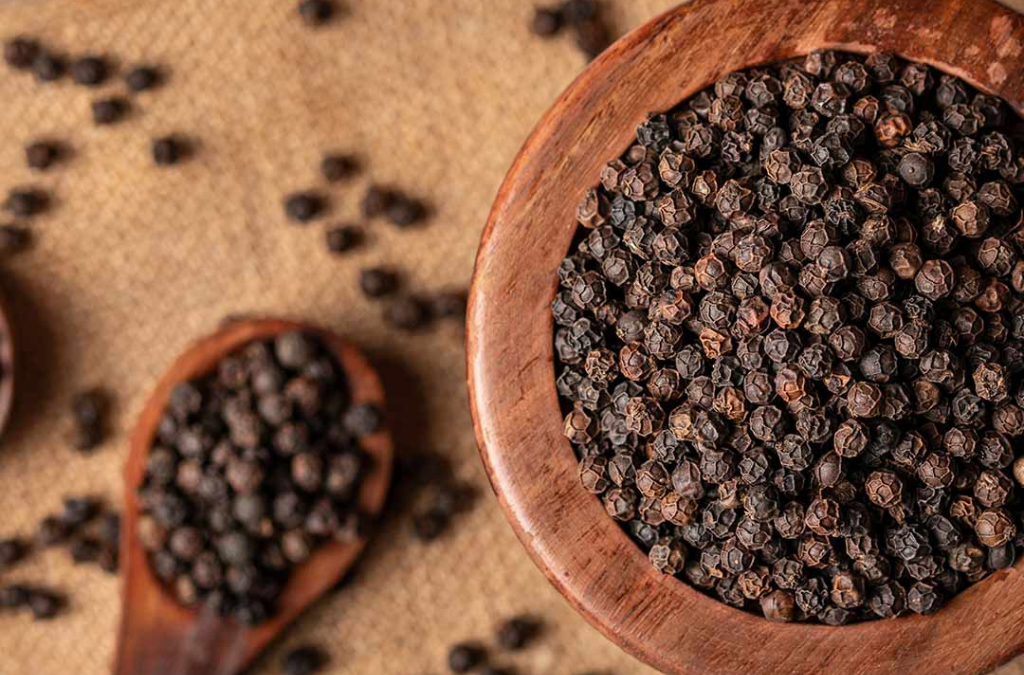
Oman today_ Black pepper is one of the most widely used and valuable spices in the world, derived from the unripe, dried fruit of a climbing plant. Its original homeland is India, from where it spread to other regions such as China and Cambodia. Today, black pepper is cultivated in tropical areas, with Vietnam emerging as the largest producer and exporter of pepper globally.
Historically, black pepper was more than just a seasoning; it was sometimes used as medicine, a valuable gift, or even as a form of tax payment. In the Middle Ages, the wealth of many individuals was assessed based on the amount of pepper they possessed.
Botanical Features and Composition of Black Pepper
This plant grows in humid, tropical regions and begins producing fruit in its third year, reaching full yield by the seventh year. The pepper fruits are harvested before ripening and then dried. The green peppercorns are essentially unripe black pepper, which darken upon drying.
Distilling the stems and branches of the plant yields an essential oil responsible for its distinctive aroma. A compound called piperine gives black pepper its spiciness and pungency, and in addition to its unique taste, it has valuable medicinal properties.
Black Pepper in Traditional Medicine
From the perspective of traditional medicine, black pepper has a warm nature, and consuming it in small amounts can stimulate appetite and reduce bloating. Hippocrates, the father of medicine, frequently recommended its use in his prescriptions.
A paste made from black pepper powder combined with onion and salt, applied as a poultice, can help stimulate hair growth in areas affected by hair loss.
A mixture of black pepper powder and edible mushrooms can have therapeutic effects on white patches of skin. Applying pepper to decayed teeth can help prevent further damage, and boiling it in vegetable oils can alleviate toothache.
Health Benefits and Modern Applications of Black Pepper
1. Improved Digestion: Black pepper stimulates taste buds and increases gastric acid secretion, aiding in the digestion of proteins and other nutrients. This helps prevent indigestion, bloating, constipation, and even the growth of harmful intestinal bacteria.
2. Antioxidant and Antibacterial Properties: The compounds in black pepper help combat free radicals and harmful bacteria, supporting a stronger immune system.
3. Weight Control and Blood Fat Reduction: Piperine in black pepper inhibits the formation of new fat cells and boosts metabolism, aiding in calorie burning. Moderate consumption can therefore be a beneficial part of a weight-loss regimen.
4. Enhanced Nutrient Absorption: Black pepper helps the body absorb vitamins and minerals from food more efficiently, increasing their effectiveness.
While black pepper offers numerous benefits, excessive consumption can irritate the stomach, cause throat burning, hoarseness, and even headaches. People with a warm temperament or those with digestive issues should avoid overuse, whereas individuals with a cooler constitution and older adults can derive greater benefits from it.