
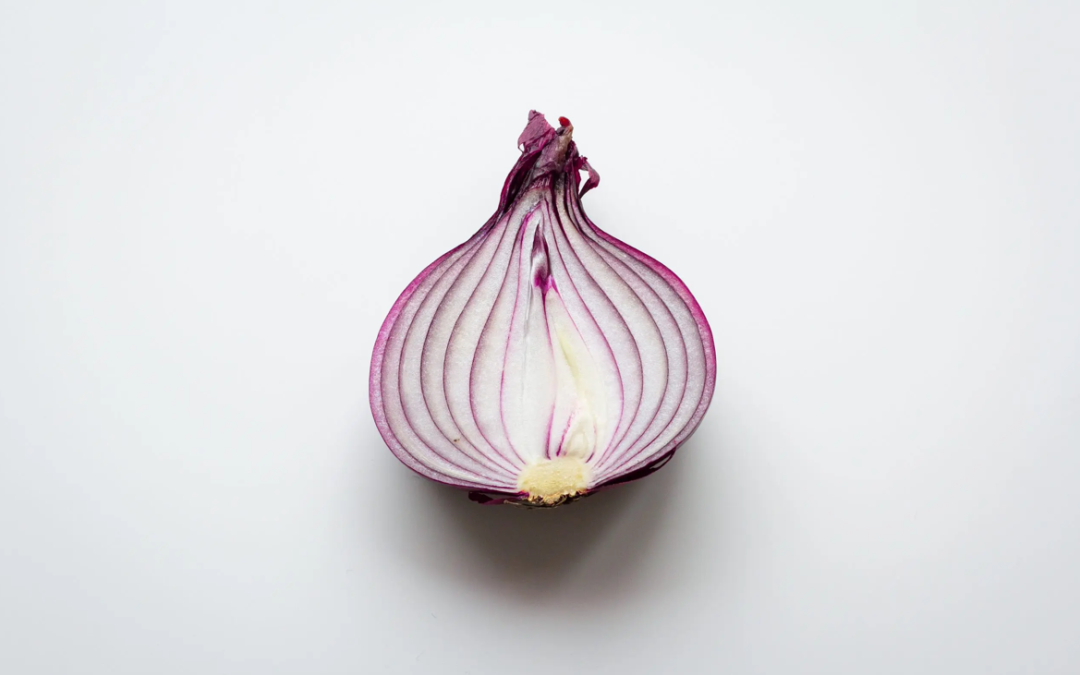
Oman today_ History of Onions: Onions are among the oldest cultivated plants in the world, used thousands of years ago to enhance the flavor of food as well as for medicinal purposes. They originated in Central and South Asia. In ancient Greece, low-income people used onions as an inexpensive substitute for costly vegetables. Before the birth of Christ, onions were widely consumed, and even today, carvings and inscriptions of onions can be seen on the walls of the Egyptian pyramids, highlighting the plant’s significant role in the lives of ancient Egyptians.
Botanical Characteristics: Onion is a biennial plant with hollow, cylindrical leaves. Its stem is also cylindrical and hollow, reaching up to one meter in height. Onion flowers are usually white or purple and appear in clusters at the top of the stem. The plant has an underground bulb and belongs to the lily family. Its scientific name is Allium cepa.
Chemical Composition: Onions are rich in sulfur compounds, sugars, calcium, sodium, potassium, iodine, silica, iron, phosphorus, flavonoids, and vitamins A, B, and C. The flavonoids in onions can reduce the risk of heart disease by up to 20% and eliminate many bacteria. Consuming onions is especially beneficial during cold seasons and when fighting colds. The chemical composition of onions per 100 grams of raw material includes sulfur compounds, sugars, minerals, and vitamins.
Medicinal Properties and Interesting Facts: Onions contain plant-based insulin, which can help lower blood sugar levels, making daily consumption beneficial for diabetic patients. Applying onion juice to the skin can prevent spots and reduce subcutaneous acne. To make peeling onions easier and minimize eye irritation, soak them in water before peeling. Sweet onions are softer, juicier, and cause less eye irritation. Onion masks improve blood circulation and brighten the skin. Sprinkling a little sugar on onions can make them easier to digest, particularly for those with sensitive stomachs. Onion peels can be used to treat diarrhea, and drinking boiled onion juice can help relieve coughs. If stung by a mosquito or bee, placing a slice of onion on the affected area quickly reduces pain and itching. Onion seed ointments can help prevent hair loss. A few drops of vinegar on onion juice can stop nosebleeds. Onions also reduce unpleasant odors from cooking oils; adding onions when frying can neutralize bad smells. To treat infant diarrhea, chop onions three times, steep in one liter of boiling water for two hours, and feed gradually. For relieving nasal congestion during colds, place two thin slices of onion in the nostrils and inhale deeply for a few minutes. Historically, onion juice was used as invisible ink. A halved onion can clean glass surfaces and rusty knife blades. Onion juice can also relieve eye itching.
Odor and Tear-Inducing Effect: Onions do not naturally have a strong odor. However, when cut or chewed, enzymes and substrates react to release volatile sulfur compounds, producing a sharp smell. This is why cooked onions taste milder than raw ones. Onions grown in humid areas contain fewer sulfur compounds, while those stored for long periods develop stronger sulfur compounds, including tear-inducing effects. To reduce onion odor after consumption, chew walnuts, fava beans, dried tea, or dried mint.
Storing Onions: The best way to store onions is in a cool, dry place such as a cold storage to protect them from viruses, bacteria, and fungi. Keeping onions in a warm environment can cause sprouting, greening, and weight loss. Additionally, store onions separately from potatoes, as they can absorb moisture and ethylene gas from potatoes, which accelerates spoilage.