
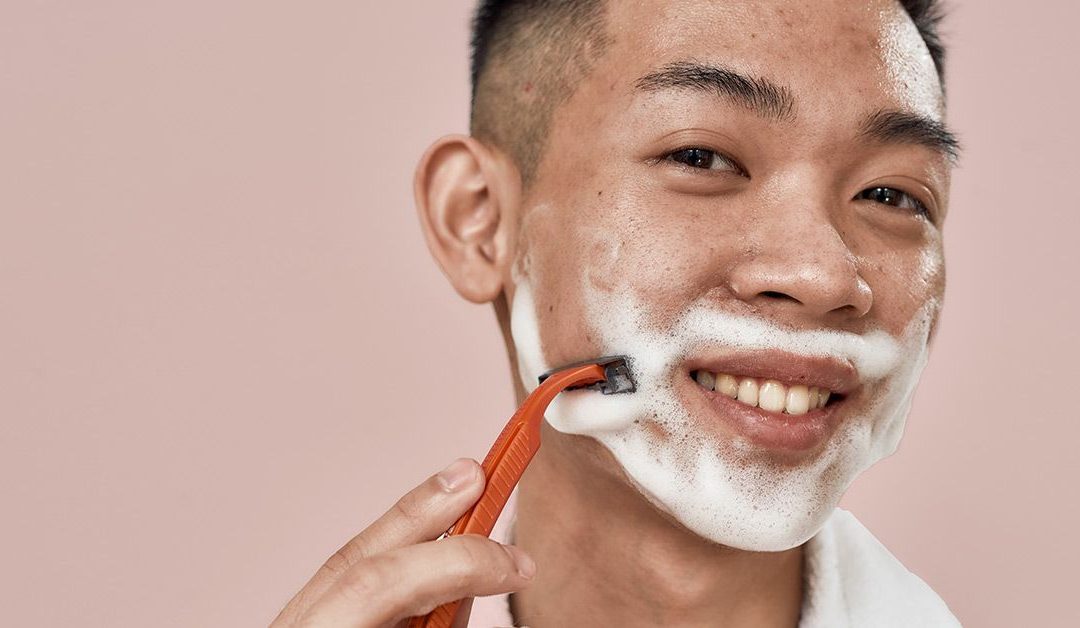
Oman today_ Post-shaving pimples are one of the most common skin concerns, affecting not only the appearance of the skin but also causing discomfort such as burning or itching. Their development is usually the result of several combined factors. When hair is removed with a razor or threading, the hair follicle can become inflamed. If the shaving tools are contaminated or the skin is not properly cleansed beforehand, bacteria can easily enter the open pores and cause mild infections. In addition, oily, large-pored skin is more prone to clogged hair follicles, which can lead to ingrown hairs and under-the-skin bumps.
To reduce this problem, it’s best to start with proper skin preparation. Washing the face or body with a gentle cleanser and lukewarm water before shaving helps remove excess oil and impurities. Using a clean, sharp razor or grooming tool is also crucial, as a dull blade tends to pull the hair instead of cutting it cleanly, increasing irritation. After shaving, rinse the skin with cool water and apply a lightweight, oil-free moisturizer to maintain hydration without clogging the pores. It’s also advisable to avoid heavy sweating, high heat, or direct sunlight for a few hours afterward.
Simple home remedies can also help soothe irritation. A cold compress is one of the quickest ways to reduce redness. Aloe vera, with its anti-inflammatory properties, calms the skin, while honey’s antibacterial action speeds up healing. To disinfect and dry pimples more quickly, diluted lemon juice or tea tree oil can be applied directly to the affected areas. A cucumber mask, or a mix of cucumber and rose water, not only cools but also refreshes the skin.
For those who prefer ready-made products, anti-acne cleansing gels used before and after shaving can help deeply clean the skin. Hair removal creams containing soothing ingredients like aloe vera or glycerin are also gentler alternatives to razors. In cases of frequent or severe breakouts, a dermatologist may recommend topical retinoids, oral or topical antibiotics, and in certain situations, isotretinoin.
Finally, people who wish to avoid post-shaving irritation altogether may consider long-term solutions such as laser hair removal or hair-bleaching creams. These methods can significantly reduce hair growth over time and lower the risk of skin irritation. By following these steps, you can enjoy a smooth, redness-free shaving experience.