
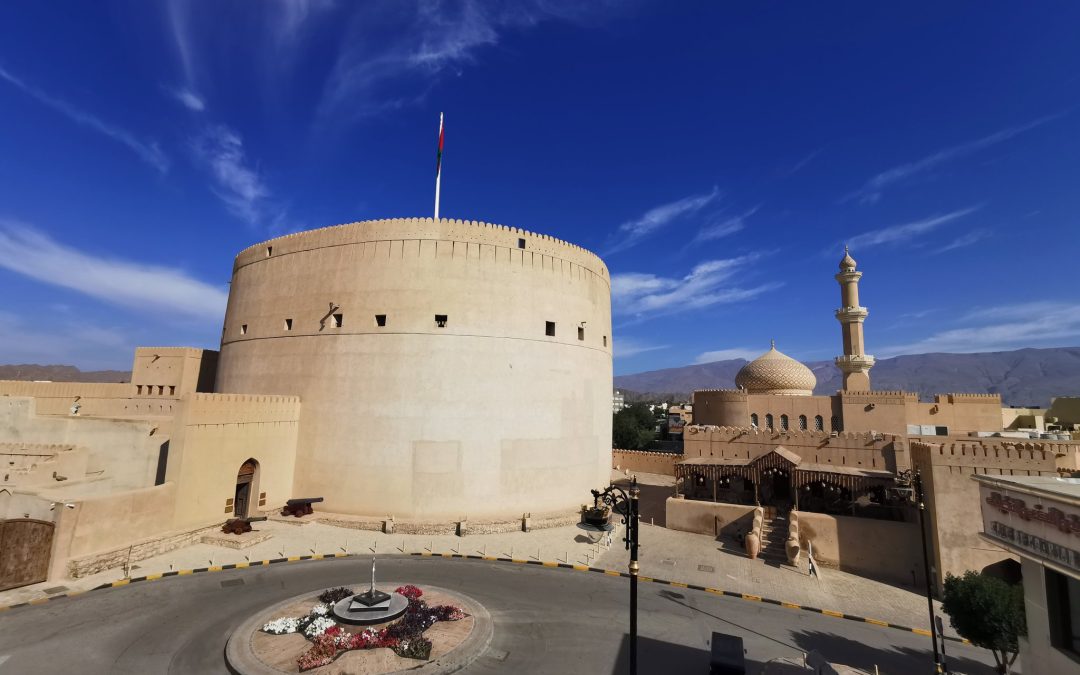
Oman today_ As part of a significant effort to preserve cultural heritage, the Ministry of Heritage and Tourism of Oman has successfully registered four historic landmarks in the Arab Register of Architectural and Urban Heritage. These include Al Hamoudah Mosque in the Wilayat of Jaalan Bani Bu Ali, the historic forts of Sohar and Nizwa, and Al Shawadhna Mosque in the ancient village of Al Aqr in the Wilayat of Nizwa.
This registration took place during the 10th meeting of Arab countries focused on architectural heritage, held in Lebanon. It reflects Oman’s prominent position in the field of heritage preservation.
The Observatory of Architectural and Urban Heritage, affiliated with the Arab League Educational, Cultural and Scientific Organization (ALECSO), aims to document and safeguard architectural heritage across Arab countries and to promote cooperation among them.
Each of the four registered sites possesses unique characteristics:
Al Hamoudah Mosque — locally known as the “Domes Mosque” — is one of the oldest mosques in southeastern Oman. It is a fine representation of traditional Omani Islamic architecture.
Sohar Fort, located in the North Al Batinah Governorate, is one of the oldest coastal fortresses in the country and once served as an important political and administrative center.
Nizwa Fort, situated in the A’Dakhiliyah Governorate, is a symbol of Omani defensive architecture. Throughout history, it has played a central role in governance and education.
Al Shawadhna Mosque in the historic village of Al Aqr (Wilayat of Nizwa) is known for its gypsum mihrab and traditional architectural design, making it a distinguished example of religious architecture in Oman.
This step is part of Oman’s broader efforts to present its cultural heritage at both the Arab and global levels. Preserving such sites not only strengthens national identity but also opens up opportunities for cultural tourism, helping to portray Oman as a nation that harmoniously blends authenticity with modernity.