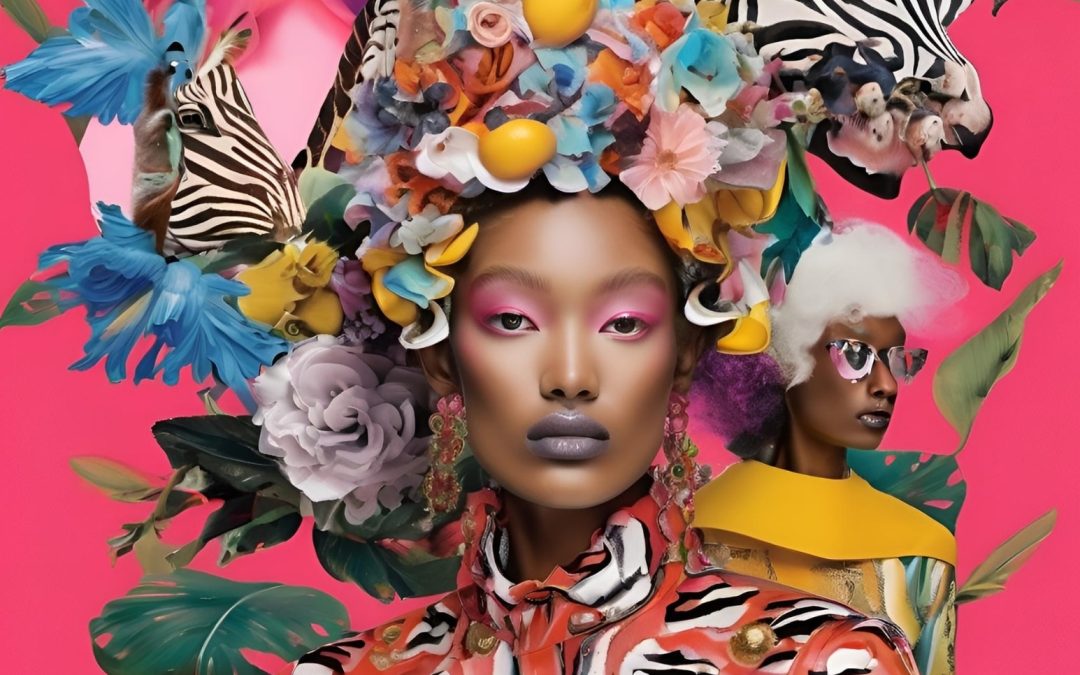
Oman today_ Maximalist style is one of the prominent visual trends in the fashion world, offering a distinct interpretation of beauty through its emphasis on abundant details and bold use of color and form. This aesthetic stands in direct contrast to minimalism, where simplicity and the elimination of excess elements are key principles. In contrast, maximalism embraces controlled chaos, vibrant color combinations, striking patterns, and layered styling.
This approach emerged in the 1990s—a time when minimalism, largely driven by Japanese designers, had a significant influence on global fashion. In response, some European designers introduced a bolder, more colorful, and expressive concept. However, it was Alessandro Michele’s designs for Gucci in 2015 that truly brought maximalism back into the spotlight. His daring use of eccentric patterns, saturated colors, and unconventional pairings sparked renewed interest in the style.
Maximalism isn’t simply about piling on multiple items—it focuses on purposeful composition, creative diversity, and achieving visual harmony amidst apparent excess. Designers such as Dolce & Gabbana, Etro, Kenzo, Prada, and Gucci have been at the forefront of this movement, producing collections rich in visual energy, ornamental detail, and unique forms.
In women’s fashion, the maximalist look often features oversized bags, printed coats, statement sunglasses, bold jewelry, and strong color palettes. Shades like bright red, purple, gold, neon green, and vivid pink play a central role in bringing the spirit of maximalism to life.
Importantly, this style should not be confused with messiness or disarray. Those who embrace maximalism must have a solid grasp of color theory, a strong visual sensibility, and the courage to stand out. Maximalism extends beyond clothing—it also thrives in other areas of art such as interior design, music, and theater. Ultimately, it reflects a mindset that resists boundaries and seeks to be seen, heard, and remembered.
Color and Form Combination in Maximalist Style