
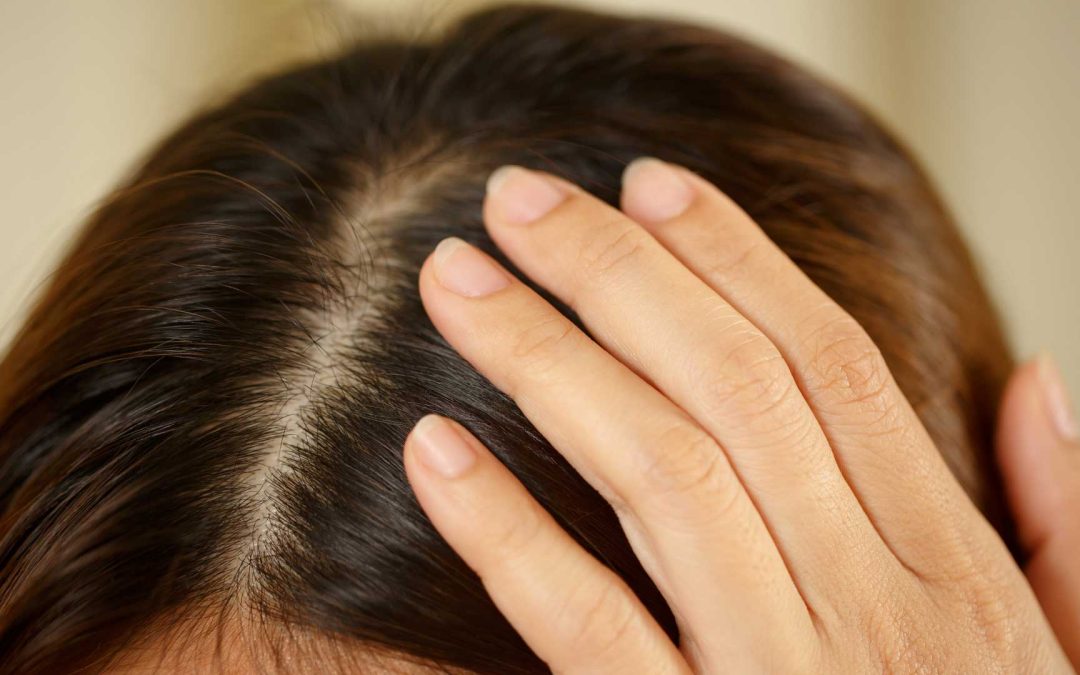
Oman today_ Dandruff is a widespread scalp issue that affects many individuals, often causing discomfort, itching, and a loss of self-confidence. It typically results from excessive dryness or oiliness of the scalp, overgrowth of certain fungi, or allergic reactions to chemical products. By identifying the possible causes and following some basic care principles, this condition can be effectively managed.
Anti-Dandruff Shampoos: The First Line of Treatment
Those dealing with dandruff can often reduce symptoms by using specialized anti-dandruff shampoos. Products containing active ingredients such as zinc pyrithione, ketoconazole, selenium sulfide, or salicylic acid help control fungal growth on the scalp and reduce inflammation. Regular use—two to three times per week—is generally recommended for best results.
The Importance of Moisturizing the Scalp
Dryness is a major contributor to dandruff. Natural oils like coconut oil and olive oil provide essential moisture and can help minimize flaking. Gently massaging these oils into the scalp before washing softens the skin and soothes irritation.
Reducing the Use of Harsh Chemical Products
Frequent use of hair gels, sprays, or chemical dyes can irritate the scalp and worsen dandruff. If symptoms occur, it’s advisable to reduce the use of such products or replace them with gentler, more natural alternatives.
Proper Hair Washing for Scalp Health
Regular washing with lukewarm water and a suitable shampoo helps prevent the buildup of oils and dead skin cells. However, washing too frequently or using hot water may strip the scalp of its natural moisture, leading to dryness and irritation.
A Balanced Diet for Healthy Skin
Nutrition plays a key role in scalp health. Foods rich in B vitamins, omega-3 fatty acids, and zinc—such as leafy greens, fish, and nuts—can help reduce inflammation and support the skin’s natural functions.
Managing Stress to Reduce Dandruff
Stress is known to exacerbate dandruff symptoms. Engaging in regular exercise, meditation, or enjoyable activities can help manage stress levels and improve overall scalp condition.
When to See a Dermatologist
If dandruff persists despite home remedies and over-the-counter treatments, or is accompanied by severe itching, inflammation, or sores, consulting a dermatologist is essential. A specialist can prescribe stronger medications or tailored treatments depending on the condition of the scalp.
Conclusion: A Path Toward a Healthier Scalp
Although dandruff can be frustrating, it is a manageable issue. Choosing the right products, maintaining a healthy diet, and practicing good scalp hygiene are key to keeping dandruff under control. Consistent care and attention to individual needs will lead to a healthier scalp and flake-free hair.