
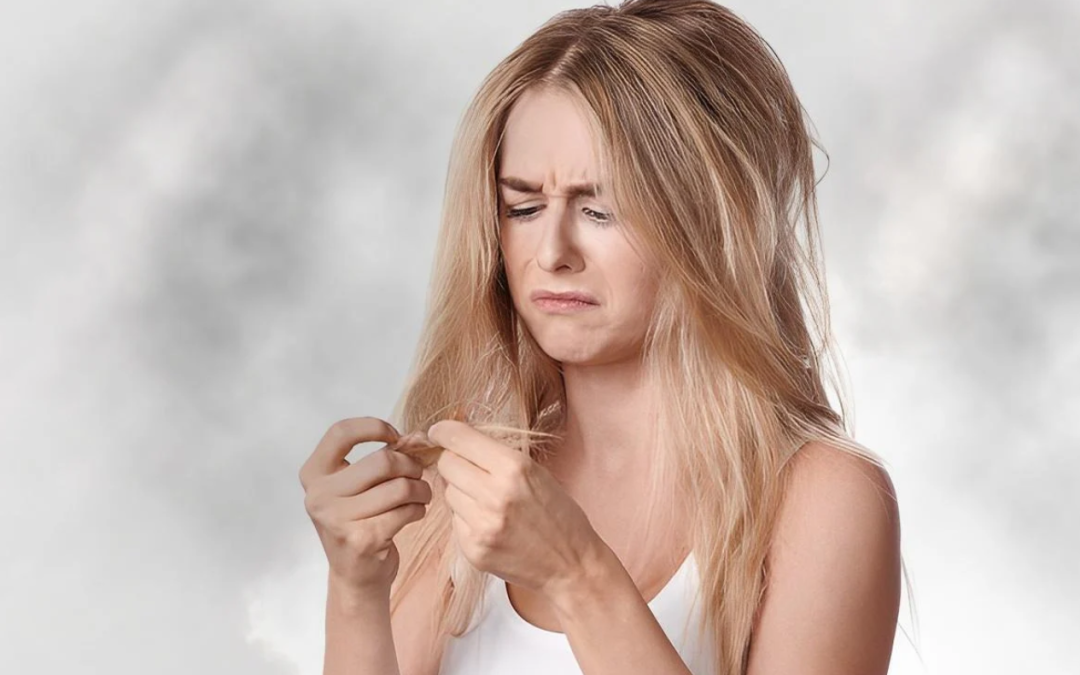
Oman today_ Most people are aware of the harmful effects of air pollution on the body, but it’s often overlooked just how vulnerable our skin and hair are to polluted environments.
How Tiny Pollutants Penetrate the Skin
Airborne pollutants are so minuscule that they can easily pass through the skin’s pores. To put it into perspective: imagine a tennis ball fitting through a basketball hoop—that’s how easily these particles, often smaller than 10 microns, can enter pores that are typically 50 to 70 microns wide. This allows contaminants to reach deep into the skin with little resistance.
Skin and Hair Problems Caused by Pollution
Let’s say someone is preparing for an important event. Everything’s ready—until they notice sudden redness, itching, and irritation on their skin. In such cases, air pollution may be the underlying trigger for this sudden flare-up.
Eczema: Eczema is a common skin condition made worse by exposure to pollution. It manifests as inflammation, redness, itching, and sometimes flaky skin, with symptoms intensifying as pollutant levels rise.
Hives: Some people react to airborne toxins like mercury or ammonia with allergic responses that result in hives—red, itchy welts on the skin that can vary in severity depending on the person’s sensitivity.
Premature Aging: Prolonged exposure to polluted air accelerates the aging process of the skin. This can lead to dryness, dullness, fine lines, dark spots, and ultimately, premature aging.
Acne and Breakouts: When pollutants clog pores, breakouts can occur or worsen. Skin prone to acne tends to react more aggressively in polluted environments, often becoming inflamed and more difficult to manage.
Hair Loss: Toxic substances in the air can interfere with the proteins essential for healthy hair growth, weakening the follicles and leading to noticeable hair loss over time.
Dry and Damaged Hair: Direct exposure to air pollutants—especially in dry, dusty conditions—can cause hair to become brittle, lifeless, and itchy at the scalp.
How to Safeguard Your Skin and Hair from Air Pollution
1. Cleanse Your Face Thoroughly: Before washing, use a makeup remover or cleansing product to rid the skin of residue. Follow with a facial cleanser that balances moisture without stripping the skin of its natural oils.
Multi-purpose cleansers or anti-pollution gels can be especially helpful. Those with oily skin might benefit from products like the Cinere Anti-Pollution Cleansing Gel, which helps control oil while hydrating the skin.
2. Never Skip Sunscreen: Sunscreen isn’t just for sun protection. UV rays can amplify the damaging effects of pollutants. Studies show that air pollution is even more harmful on sunny days, so sunscreen should be a non-negotiable part of your routine—rain or shine.
3. Use the Right Shampoo: If you notice the water in your shower runs dark when washing your hair, that’s a sign of accumulated pollution. Choose a sulfate-free shampoo that cleanses effectively without drying out your hair. Follow up with a nourishing conditioner to restore softness and strength.
4. Treat Hair with Natural Oils: Oils like coconut, olive, rosemary, and lavender create a protective barrier around the hair shaft. Applying them 15–20 minutes before showering and massaging into the scalp helps both nourish the hair and shield it from environmental stress.
5. Don’t Neglect Your Body’s Skin: Pollution doesn’t stop at your face. Use body lotions and creams enriched with ingredients like aloe vera or vitamin B5 to keep skin hydrated and protected. These products help prevent eczema, dryness, and even body acne.
6. Cover Your Hair Outdoors: One of the simplest yet most effective ways to shield hair from pollution is by covering it with a breathable cotton hat. This minimizes exposure to harmful particles and reduces sweat buildup in warmer weather. Avoid tight headwear, which can pull on the roots and restrict blood flow to the scalp.
In today’s polluted world, taking care of your skin and hair isn’t just about beauty—it’s about maintaining your health and well-being. With consistent care and the right products, you can protect yourself from the silent yet powerful effects of air pollution.