
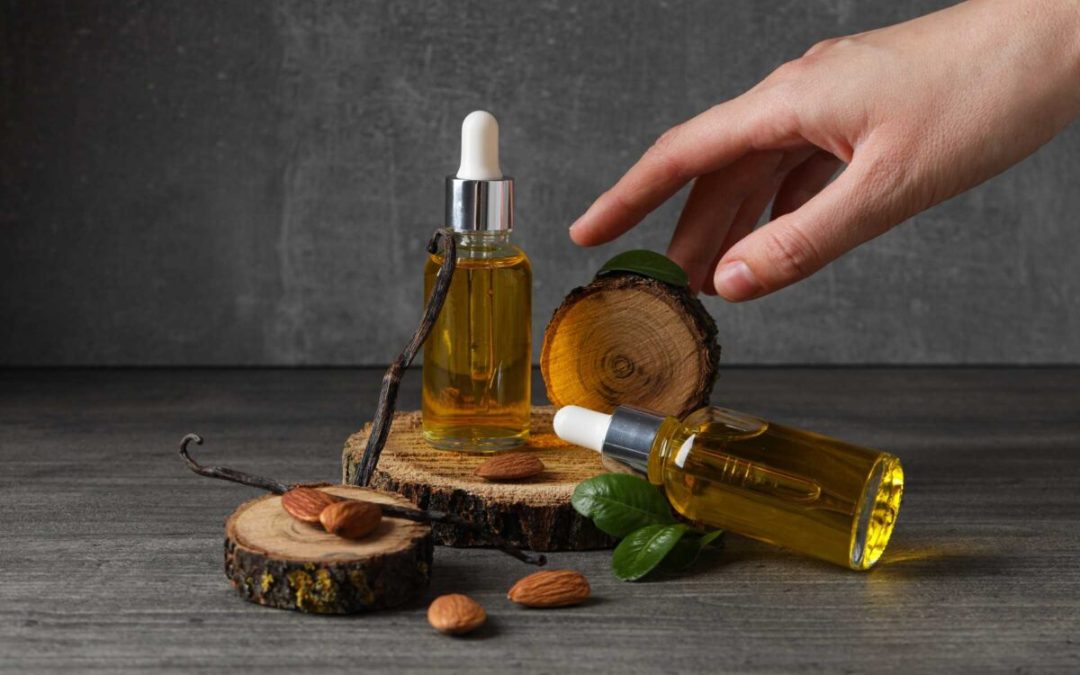
Oman today_ For centuries, oils have held a special place in traditional medicine and skincare. Natural oils like olive and almond have long been used to soothe wounds, soften the skin, and reduce inflammation. Among them, almond oil—whether sweet or bitter—stands out for its numerous benefits, especially in fading dark spots and enhancing skin clarity.
Nutritional Components of Almond Oil
Almond oil is rich in vitamins and minerals, each contributing to healthier skin.
Vitamin A contains retinol, which helps stimulate the production of new skin cells and reduces fine lines and wrinkles.
Vitamin E has antioxidant properties that may help protect skin from cellular damage and reduce the effects of harmful UV rays.
Omega-3 fatty acids help prevent premature aging and protect the skin from sun damage.
Zinc is an essential nutrient known for healing acne and other facial wounds.
Almond Oil and Its Effects on Skin Discoloration
Using sweet almond oil to treat dark spots is very common, and the benefits of bitter almond oil for pigmentation have also been proven. However, reducing discoloration is only one of the many effects of this nourishing oil. Let’s explore its other uses.
It helps reduce puffiness and under-eye circles: thanks to its anti-inflammatory nature, almond oil helps minimize skin swelling.
It improves skin tone and pigmentation: its softening properties help lighten the skin and fade marks over time.
It treats dry skin conditions: for centuries, almond oil has been used to relieve dry skin issues such as eczema and psoriasis.
It improves acne: the fatty acids in almond oil help dissolve excess oil on the skin, and its retinoids improve skin texture and promote cell turnover.
It Helps Reflect UV Rays
Trusted sources have shown that vitamin E, present in almond oil, can reduce skin damage caused by exposure to UV rays. These rays are often responsible for skin pigmentation. That’s why both sweet and bitter almond oils help reduce sun-induced dark spots and protect the skin from further damage.
It Accelerates Wound Healing
In traditional Chinese and Ayurvedic medicine, almond oil was commonly used to heal wounds and scars. Its vitamin E content helps reduce wrinkles and remove dead skin cells, allowing faster skin regeneration.
It Enhances Skin Elasticity
Sweet almond oil is an effective treatment for preventing premature aging. It helps improve skin elasticity and reduces sagging and wrinkles. These benefits have made almond oil a popular ingredient in many cosmetic products.
Benefits of Sweet Almond Oil for Dark Spots
Sweet almond oil contains vitamins A, E, and D, which contribute to its ability to reduce dark spots. These nutrients nourish the skin and strengthen it over time. In addition to being rich in antioxidants and anti-inflammatory properties, this oil helps prevent wrinkles and skin sagging—making it a complete solution for healthy skin.
Benefits of Bitter Almond Oil for Dark Spots
Bitter almond oil is equally potent. It contains oleic acid (a monounsaturated fatty acid) and omega-9, which give it strong moisturizing power. Bitter almond oil is quickly absorbed and delivers nutrients deep into the skin.
Its vitamin E content helps reduce signs of aging such as fine lines and wrinkles. In addition to brightening dark spots, it also combats acne-causing bacteria and supports the healing of cuts, scratches, and wounds. Moreover, it contributes to skin brightening overall.
Thanks to its fatty acids, bitter almond oil also helps regulate oil production, making it beneficial for treating acne and breakouts.
How to Use Sweet Almond Oil for Dark Spots
There are several ways to use this miracle oil for facial care. It’s widely used in cosmetic products such as makeup removers, moisturizers, and more.
As a makeup remover: Rub a few drops of almond oil onto your palms and gently massage onto the areas you want to cleanse. Let it dissolve the makeup, then wipe with a cotton pad and wash your face with your regular cleanser.
As a carrier oil: Almond oil is known as a carrier oil because it helps deliver other essential oils deeper into the skin. You can mix it with essential oils like rose, lavender, geranium, or lemon. But always patch-test on the inner arm or wrist before applying to your face.
Add a few drops of essential oil to every 28 grams of almond oil and mix well. Apply the oil blend to damp skin and rinse with lukewarm water. You may need to rinse twice to fully remove any residue.
As a moisturizer: You can also use almond oil as a natural moisturizer. After cleansing your face, apply a small amount—about half the size of a coin—using your fingertips and gently massage into the skin. When used as a moisturizer, there’s no need to rinse it off.
With its wide range of benefits, almond oil is a natural and powerful addition to your skincare routine. Whether you’re treating dark spots, dryness, or early signs of aging, this oil has something to offer. Just choose the right type—sweet or bitter—based on your skin’s needs, and enjoy the glow it brings.