
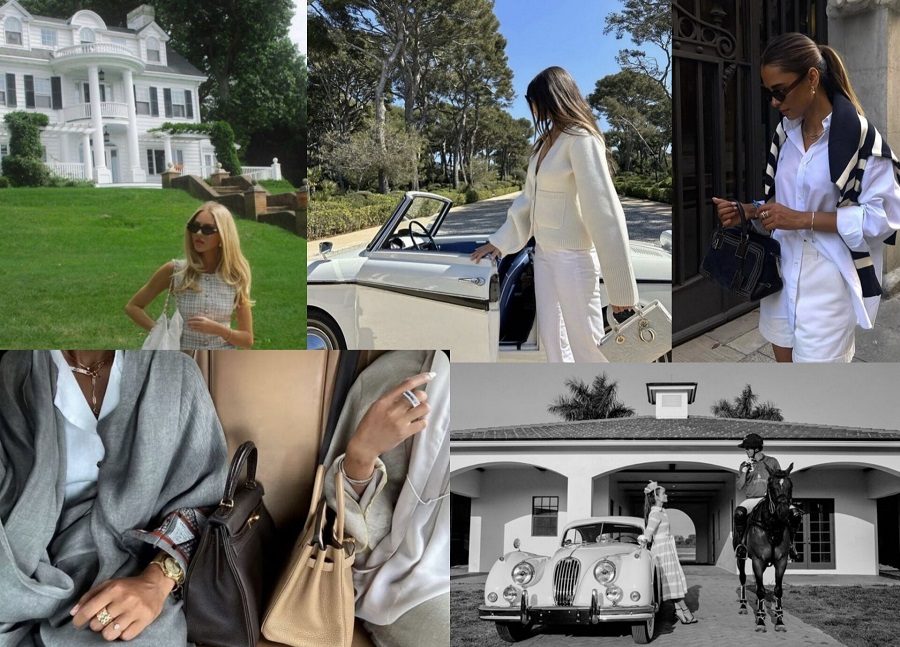
Oman today_ In recent years, the fashion world has witnessed a conscious return to past values and traditions. This movement, often described as a form of conservatism in fashion, is not merely an aesthetic choice but a cultural response to the political, economic, and social crises of our times. In a world increasingly marked by various instabilities, many, especially younger generations, are gravitating towards styles that evoke familiarity, reassurance, and comfort.
Quiet Luxury: Power in Silence
The “Quiet Luxury” style has, in recent years, replaced overt displays of wealth. This approach emphasizes subtlety in design, high quality, and understated messaging. No longer is there a need to flaunt wealth through bold logos or flashy designs; instead, this style silently reflects power and status.
This trend represents a cultural shift—from extravagant consumerism to an appearance that exudes balance, grace, and strength. Quiet Luxury carries an implicit message: there is no need to shout; superiority and affluence lie in small details and overall elegance.
The Nostalgia of the Traditional Wife: A Charming Return or a Modern Deception?
In the realm of fashion, the concept of the “Tradwife” has resurfaced—a model portraying women as homemakers and submissive spouses. Inspired by the aesthetics of the 1950s and accompanied by idealistic narratives, this style showcases images of women confined to domestic life, cooking, and family care.
However, this image overlooks the harsh realities of many women’s lives. While some view this archetype as a liberation from social pressures, critics argue that it perpetuates outdated and distorted stereotypes about women’s roles in society.
Related trends such as “Cottagecore,” emphasizing simple and rural living, also romanticize nostalgia for the past. Though seemingly a gentle return to a simpler life, these styles often conceal the hardships and challenges of real life behind their poetic visual fantasies.
Clean Girl Trend: Perfectionism in Minimalism
One of the most prominent expressions of modern conservatism in fashion is the “Clean Girl” trend. This style combines minimalism with perfectionism, featuring flawless skin, subtle makeup, and neatly styled hair.
While this look is promoted as a standard of beauty and success, its underlying messages impose additional pressure on women to conform to rigid ideals. Critics argue that this trend not only disregards diversity in appearance and culture but also confines women to predefined and uniform molds.
Overall, these modern trends reflect society’s attempts to return to traditional values and principles in refreshed forms. While these styles may evoke a sense of stability and cohesion, they also raise deeper questions about the reproduction of old, restrictive stereotypes concerning women’s roles.