
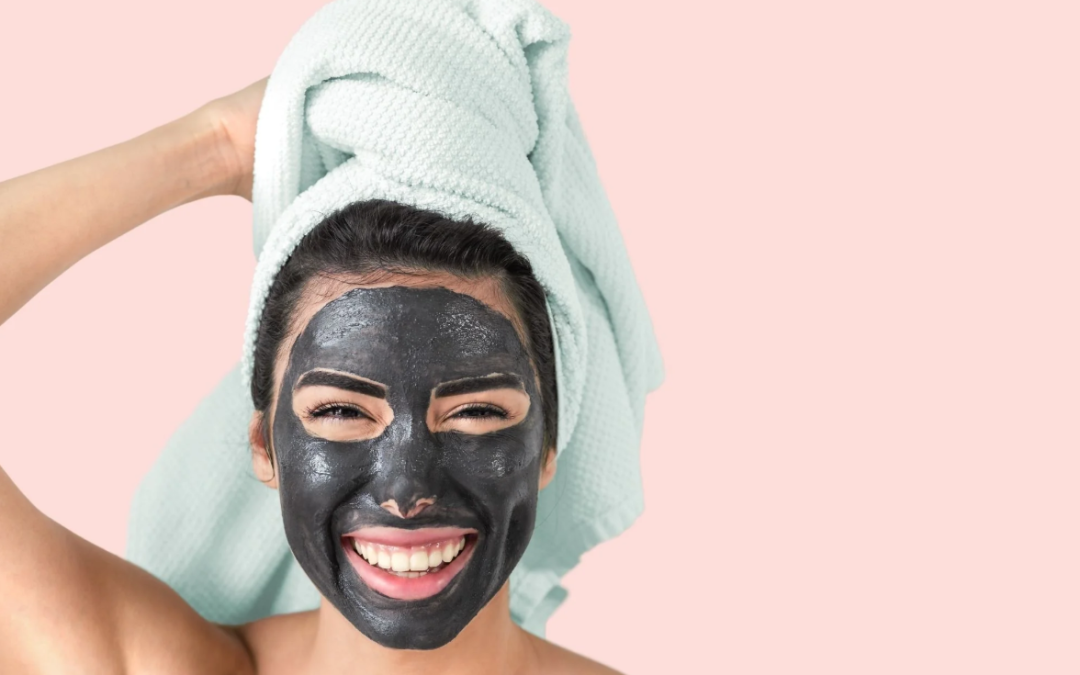
Oman today_ Activated charcoal, also known as activated carbon, has become a popular product in the skincare industry, commonly used in masks and facial cleansers. Its unique properties have gained widespread recognition among skincare enthusiasts.
What is Activated Charcoal for Skin, and How is it Used?
The activated charcoal used in skincare differs from the charcoal used for cooking. In the medical field, it is employed to absorb toxins and impurities. In skincare, it serves as a key ingredient in facial masks designed to cleanse and enhance skin quality.
Benefits of Charcoal Masks for the Skin
1. Deep Cleansing of the Skin: Charcoal masks have a high absorption capacity, pulling dirt and impurities out of the pores, leaving the skin refreshed and rejuvenated.
2. Oil Control: These masks not only remove impurities but also absorb excess oil, helping regulate sebum production over time. For oily skin, it is recommended to use it once a week, while for normal skin, twice a month is sufficient. Individuals with combination skin can target the T-zone area for application.
3. Eliminating Blackheads: By reducing excess oil and unclogging pores, charcoal masks help diminish blackheads and prevent acne. Additionally, they eliminate acne-causing bacteria, aiding in the treatment of various types of breakouts.
4. Preparing Skin for Better Nutrient Absorption: These masks gently exfoliate dead skin cells, preparing the skin to absorb nutrients from moisturizers and nourishing creams more effectively. Post-mask application is the perfect time for deep skin hydration and nourishment.
Regular Use and Visible Results
Incorporating a charcoal mask into your skincare routine can contribute to deep cleansing, oil balance, and improved skin quality, leaving your skin healthier and more radiant.