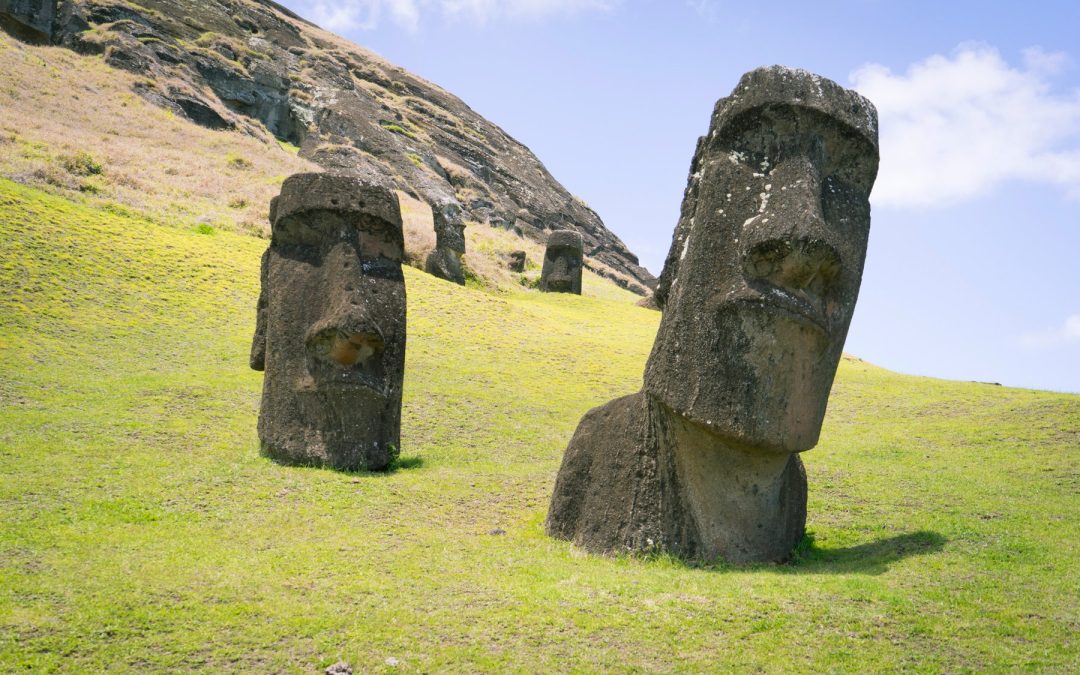
Oman today_ Easter Island (Rapa Nui) in Chile is one of the most mysterious and remote islands in the world, famous for its giant Moai statues. This island, which is a UNESCO World Heritage site, is located in the South Pacific Ocean and has a rich and complex history and culture. There are over 887 Moai statues scattered across the island, created by the Rapa Nui people. These statues represent the leaders and ancestors of this community and can be found at sites like Rano Raraku (the Quarry) and Ahu Tongariki (a stone platform with fifteen restored statues).
Easter Island also boasts beautiful beaches, such as Anakena, which offers turquoise waters and white sand, making it an ideal spot for relaxation and swimming. Another notable attraction is Rano Kau, a volcanic crater with a lake inside, providing stunning panoramic views of the island.
The history of Easter Island is deeply intertwined with the Rapa Nui people, the island’s indigenous inhabitants, who have preserved its legacy through their unique language and art. The island’s Anthropology Museum, the only museum on the island, showcases a collection of archaeological artifacts.
Easter Island faces environmental threats such as climate change, rising sea levels, and drought, which pose risks to the island’s ancient monuments and natural resources. The island can be accessed via domestic flights from Santiago, Chile’s capital, with Hanga Roa being the only town, where accommodations and cultural activities are centered.
Easter Island