
While there are many incredible destinations waiting to be explored this year, there are a handful that travellers won’t get the chance to see.
Following the coronavirus pandemic, many tourist attractions have struggled to recover, while others have been tested by the cost of living crisis. Some have simply chosen to go out on a high.
Here are some of the most famous cultural landmarks that are either temporarily or permanently closed this year.
Noma, Copenhagen
Widely regarded as the world’s best restaurant, Noma will conclude its gastronomic journey this year.
This three-Michelin-starred culinary gem, a pioneer in Nordic cuisine located in Copenhagen, has been critically acclaimed for two decades thanks to its innovative eco-conscious menu that’s rooted in foraged seasonal ingredients.
Founder Rene Redzepi, the visionary Danish chef, said the closure comes as a result of challenges posed by high standards and the labour-intensive nature of the restaurant’s cuisine.
The plan is for it to transform into a full-time food laboratory, focusing on e-commerce and pop-up dining experiences. While the restaurant remains open until the end of the year, good luck getting a table.
Splash Mountain, Florida and California
This Disney World attraction has thrilled theme park-goers in Florida and California for three decades, but the famous log flume ride took its final plunge last year.
The closure is part of Disney’s initiative to address racially sensitive elements derived from the film Song of the South, which Splash Mountain was based on.
The ride is now being revamped and renamed Tiana’s Bayou Adventure, featuring characters from The Princess and the Frog, including Tiana, the studio’s first black princess.
Phantom of the Opera, Broadway
The curtain has fallen on Broadway’s longest-running show after running for an impressive 35 years in New York City.
Andrew Lloyd Webber’s musical had seen nearly 14,000 performances since its 1988 debut, engaging more than 20 million audience members and grossing $1.3 billion.
The show had been losing money even before the pandemic, but after the decision to close was announced it started turning a profit again.
Star Wars: Galactic Cruiser, Florida
Disney’s Star Wars-themed hotel closed in September after a little over 18 months of operations in the Epcot Resort Area at Walt Disney World Resort in Florida.
It was a two-night live-action role-playing choose-your-own-adventure experience that took place on a simulated cruise in outer space within the Star Wars universe.
It may have failed to soar, but it did introduce an innovative overnight immersive experience to eager fans, with activities from lightsaber training to drinks at Oga’s Cantina.
The high cost, limited appeal to less-enthusiastic fans and absence of classic characters, however, have been cited as its downfalls.
Pergamon Museum, Berlin
Part of Berlin’s Unesco World Heritage-listed Museum Island complex, the German capital’s most visited museum has closed for three-and-a-half years for extensive renovations – and the south wing is only expected to reopen in 2037.
The building, which was constructed from 1910 to 1930 by order of Emperor Wilhelm II, was facing structural issues, including outdated technical systems.
The $1.6 million restoration will address the museum’s deterioration, but also create a new pedestrian zone and expanded exhibition halls. The project has prompted questions about continuing repatriation discussions concerning the Pergamon Altar and other antiquities that are part of its collection. It is also home to the Ishtar Gate, the eighth gate to the inner city of Babylon.
Caesars Palace Dubai
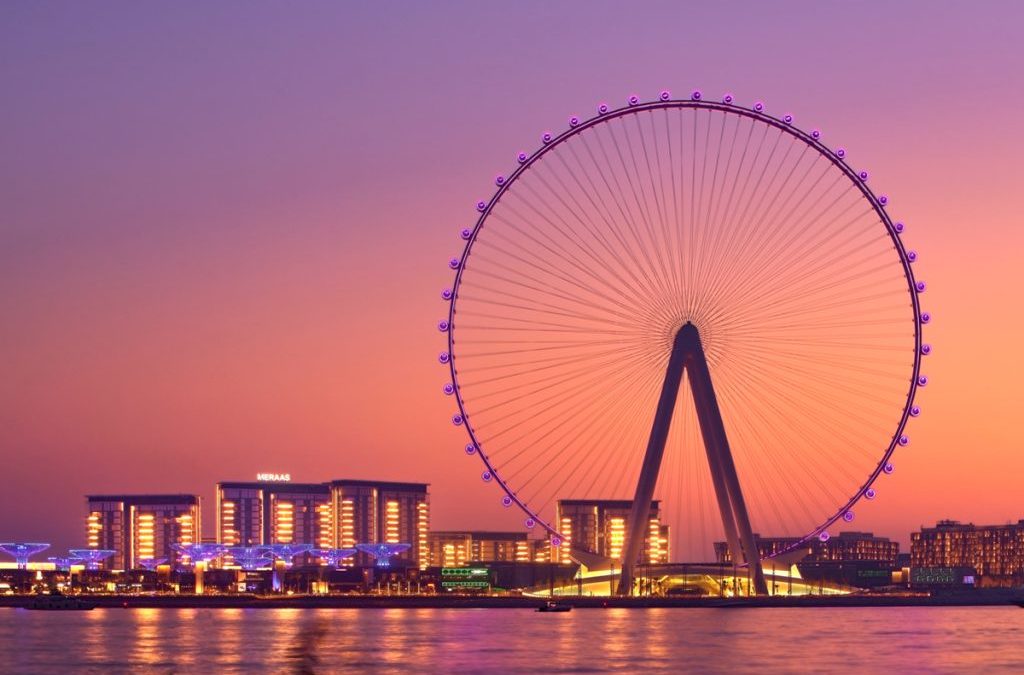
The popular resort on Bluewaters Island has officially closed, taking with it Gordon Ramsay’s Hell’s Kitchen restaurant.
In its place, the Banyan Tree Dubai opened its doors to the public on UAE Union Day. The hotel occupies a 500-metre stretch of private beach, with three temperature-controlled swimming pools for guests and 178 rooms that have been refurbished by Blink Design Group.
A few of the restaurants that were popular under Caesars Palace have remained, including Demon Duck by celebrity chef Alvin Leung, which serves Chinese cuisine with a twist. Japanese restaurant TakaHisa and live music venue Havana Social Club have also stayed open.
Elephant Trunk Rock, Taiwan
Taiwan’s notable Elephant Trunk Rock no longer resembles an elephant’s trunk after it collapsed into the sea on December 15. While the natural feature, which was about 10 kilometres from Taipei’s popular tourist area of Jiufen, had been cordoned off to visitors since 2010, it was still a beloved photo spot.
Continuing erosion and its thin arched structure made the rock formation precarious. Its collapse has resurfaced concerns about other geological formations on Taiwan’s northern coast, including the at-risk Queen’s Head rock at Yehliu Geopark.
Bollywood Parks Dubai
The theme park which celebrates the Bollywood film and music industry announced its permanent closure earlier this year after seven years of operation.
The park made waves when it opened in 2016 with an event led by Indian actor Shah Rukh Khan. It also broke a record in 2021 by opening the tallest swing ride in the world.
While the park bids farewell, its notable attraction, the Raj Mahal theatre, remains as a venue for private events.
Meanwhile, a Real Madrid-themed park has been announced at Dubai Parks and Resorts instead. An opening date has yet to be confirmed.
Cheim & Read, New York
The celebrated gallery permanently closed last month after almost three decades of operations. Its final exhibition featured paintings by American interdisciplinary artist Kathe Burkhart.
Known for exhibiting influential modern and contemporary artists such as Diane Arbus, Louise Bourgeois, and Joan Mitchell, the gallery shared the closure news on Instagram, saying it was “grateful” for its followers’ support. It also announced that longtime director and partner Maria Bueno will launch a fine art dealership this year.
The closure follows co-founder John Cheim’s consignment of highlights from his collection to Sotheby’s, fetching a total of $34.7 million, which included pieces by the likes of Jean-Michel Basquiat, Robert Mapplethorpe, and Cy Twombly.
Moles, Bath
Despite last year being a bumper profit-maker for arena-level acts, it has been described by people in the UK’s grassroots live music scene as the “worst year for venue closures”, according to NME.
One of the biggest losses was this noted venue in Bath, one of the final places left standing where Oasis toured for the first time.
The venue, which hosted acts such as Ed Sheeran and Blur, played a pivotal role in nurturing British talent.
But, after 45 years of challenges, operators cited the cost of living crisis, soaring rental rates, and increased operational expenses as the final nails in the coffin.