
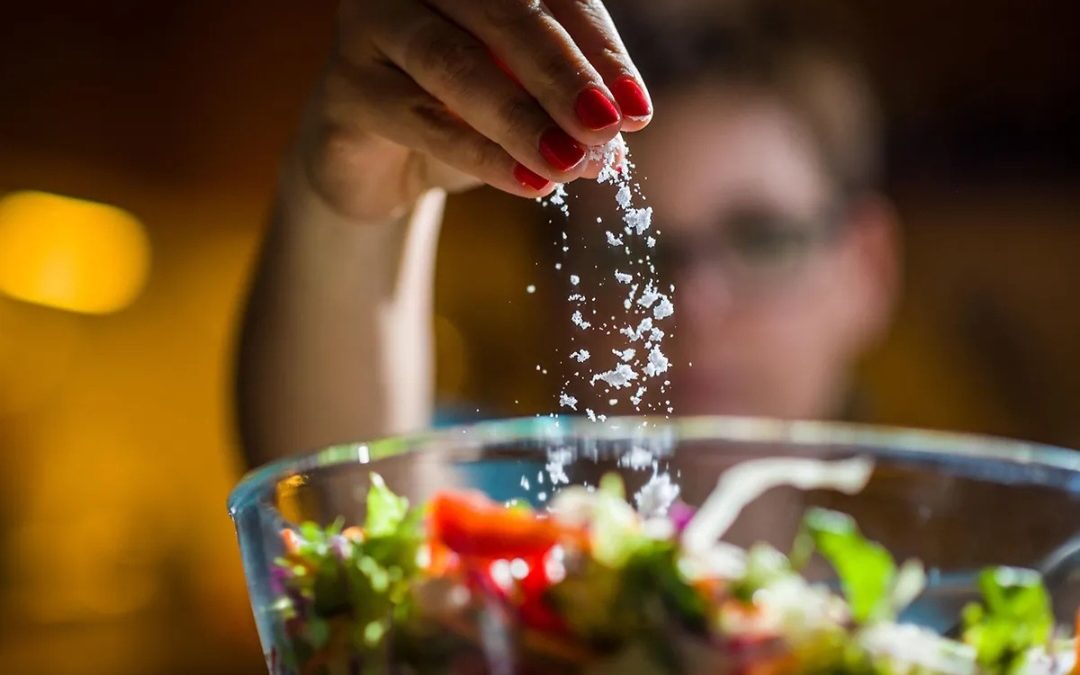
Oman today_ Studies show that the amount of salt most people consume on a daily basis exceeds the body’s actual needs and can be harmful to blood pressure and overall health. Reducing salt intake directly helps lower blood pressure and significantly decreases the risk of heart attacks and kidney damage.
Given the negative effects of excessive salt consumption, greater attention should be paid to diet and food choices. Cutting back on canned and processed foods, using less salt during cooking, and avoiding adding salt at the table can contribute to a healthier diet. Even small lifestyle changes play an important role in preventing high blood pressure and its complications. These changes include losing excess weight, increasing physical activity, choosing healthier foods, avoiding alcoholic beverages, and consuming potassium-rich foods.
Potassium helps regulate blood pressure by maintaining a balance between sodium and potassium in the body, reducing the harmful effects of excess sodium that can result from elevated blood pressure. Daily sodium intake should not exceed 2,300 milligrams, and for some individuals, the recommended amount is even lower.
When buying packaged foods, checking the salt content listed on the nutrition facts label is essential. If the sodium percentage is 5 percent or less, the product is considered low in salt, while values of 20 percent or higher indicate a high salt content. Total daily sodium intake based on this label should not exceed 100 percent, and for some people it should be limited to a maximum of 65 percent. Comparing similar products is also important, as two items of the same type may differ significantly in their sodium levels. Nutrition labels also provide information about potassium content.
Food labels such as “low salt,” “very low salt,” or “high in potassium” can be helpful guides when making purchasing decisions. When preparing meals at home, using herbs, spices, and natural flavorings can reduce the need for salt, and it is best to avoid adding salt before, during, or after cooking. When dining out, requesting meals without added salt or asking for low-salt options can also help manage intake.
By following these recommendations, taste sensitivity to salt gradually decreases, and the absence of salty flavor becomes less noticeable. Some individuals should limit their sodium intake to no more than 1,500 milligrams per day and increase potassium intake in their diet. This includes people with high blood pressure, African or African American individuals, and middle-aged and older adults.
Potassium-rich foods include spinach, various types of cabbage, grapes, raspberries, carrots, potatoes, citrus fruits such as oranges and grapefruit, bananas, kiwi, apricots, avocados, and tomatoes. Adults should aim to consume about 4,700 milligrams of potassium per day through foods and beverages.