
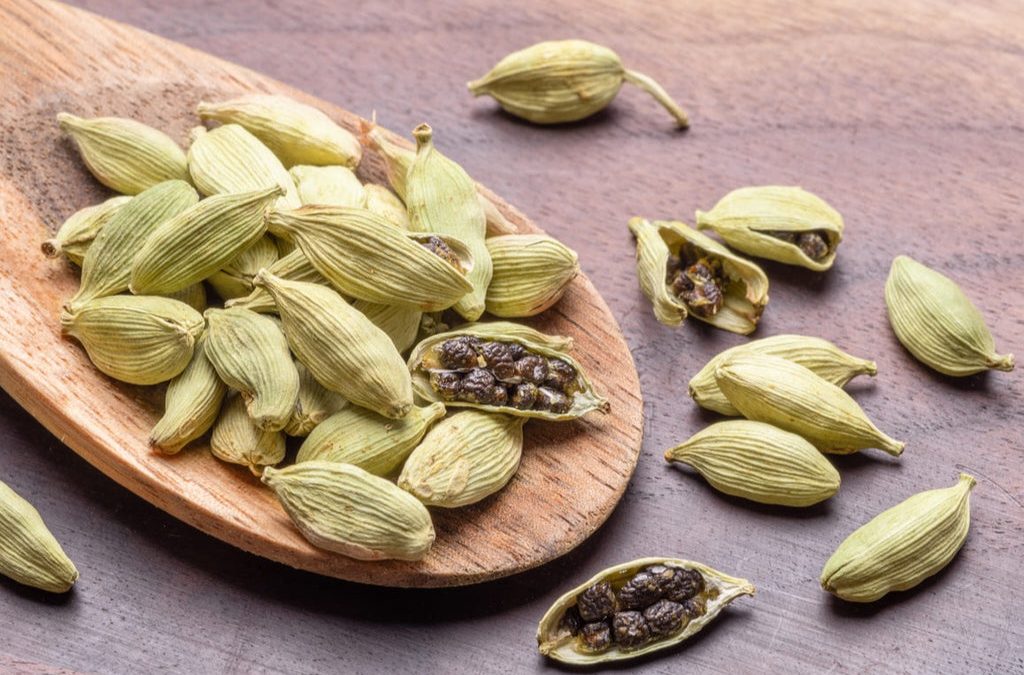
Oman today_ Cardamom is an aromatic and widely used plant that has been valued since ancient times across different cultures and traditional healing systems. In Persian dialects and traditional medicine sources, it is known by names such as hel, hil, hil-bua, and hal-bua. In Arabic, it is referred to as qaqelah saghirah, habhan, or habb al-hal, while in European languages it is known as Kardamom, Cardamome, or Cardamom. The name of cardamom even appears in some of the oldest Sanskrit manuscripts, although the exact time of its introduction to Europe is not clearly documented. In Indian culture, cardamom holds a special place and is used in significant quantities during ceremonies and celebrations.
Cardamom grows naturally in India and Sri Lanka, but most of the cardamom available on the market today comes from cultivated farms. It is currently grown on a large scale in regions of Southeast Asia, Guatemala, Malaysia, El Salvador, and several other countries. India is considered the original homeland of cardamom and accounts for a major share of global production. The plant generally thrives in tropical climates and grows best at moderate elevations above sea level.
The ideal time to harvest cardamom fruits is when they are nearly ripe but before the capsule-like pods split open. After harvesting, the fruits are slowly dried in well-ventilated environments. In some processing methods, the pods are re-moistened and exposed to sunlight or steam to improve their appearance and lighten their color. In certain countries, special solutions are used before drying to help preserve the green color of the pods.
The medicinal part of cardamom consists of the seeds found inside the ripe fruit. The highest-quality cardamom usually comes from autumn harvests and from plants that are several years old. Depending on the variety and growing region, cardamom seeds contain a notable amount of aromatic essential oils. They also include starch, protein, natural oils, and minerals such as iron and manganese. The overall quality of cardamom largely depends on its essential oil composition, with higher levels of certain aromatic compounds resulting in a stronger flavor and aroma.
Because of its positive effects on the digestive system, cardamom holds an important place in traditional medicine and is also supported by modern recommendations. It helps improve digestion, reduce bloating, freshen breath, and relieve nausea, vomiting, diarrhea, and loss of appetite. In Iranian traditional medicine, cardamom is considered warm and dry in nature and is used as a digestive tonic and anti-bloating agent. In Chinese medicine, it is used to relieve stomach pain, nausea, and gas, while in Indian medicine it is also used for certain urinary tract conditions.
Beyond its medicinal uses, cardamom is widely employed in the food, pharmaceutical, and personal care industries. It is commonly used as a flavoring and fragrance agent in a variety of foods, beverages, and medicinal products. Cardamom oil, due to its antibacterial properties, is also used as a food additive in some applications.
For medicinal use, cardamom is often crushed and steeped in boiling water for several minutes, then strained and consumed. Adding cardamom to tea or other beverages is another simple and popular way to benefit from its properties. When consumed in moderation, cardamom is generally safe, but excessive intake may cause digestive discomfort, in which case it is recommended to use it alongside soothing substances.
Cardamom is available in various forms, including powder, liquid extract, combined oral preparations, and tinctures, and daily intake should remain within recommended limits. It is important to note that similar plants are sometimes sold as substitutes, which differ from true cardamom in aroma and pod shape. To maintain quality, cardamom should be stored in a cool, dry place away from light, preferably in tightly sealed containers. The seeds should remain inside their pods until use, as ground cardamom quickly loses its aroma and essential oils.