
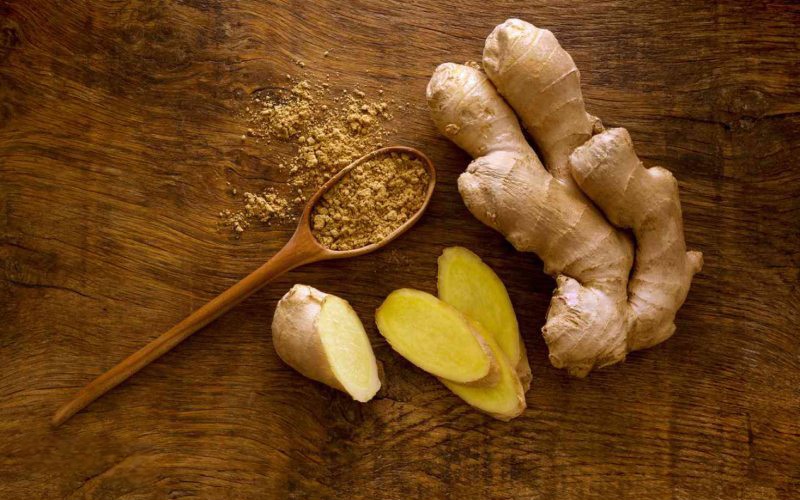
Oman today_ Ginger can help lower blood sugar by improving the body’s insulin sensitivity and slowing the digestion of carbohydrates, which helps prevent sharp spikes in blood sugar after meals.
Spices are not just for adding flavor to food—they play an important role in supporting overall health. When it comes to controlling blood sugar and enhancing insulin sensitivity, cinnamon is often the most well-known option. However, experts consider ginger, especially varieties rich in polyphenols, to be the most effective spice for reducing blood sugar.
A study published in 2024 in the journal Nutrients examined the effects of various common herbs and spices in the Mediterranean diet on blood sugar levels in people with type 2 diabetes. The spices studied included ginger, turmeric, saffron, cinnamon, black seed, clove, parsley, thyme, black pepper, rosemary, and basil. The researchers measured fasting blood glucose, glycated hemoglobin (A1C), and insulin levels.
The results showed that ginger, turmeric, saffron, and cinnamon significantly reduced fasting blood glucose, while black seed and ginger lowered both A1C and insulin levels. Ginger was the only spice that had a significant effect on all three measures.
In these studies, the dosage of ginger ranged from 600 to 3,000 mg per day. To put this in perspective, 1,000 mg of ginger is roughly equivalent to half a teaspoon of powdered ginger or one teaspoon of freshly grated ginger.
Nutrition experts explain that ginger may help prevent post-meal blood sugar spikes by improving insulin sensitivity and slowing carbohydrate digestion. A meta-analysis based on 10 studies published in 2018 also suggested that ginger may inhibit enzymes involved in carbohydrate digestion and absorption, influence glucose metabolism pathways, and protect the beta cells in the pancreas that produce insulin.